Top 10 African Safari Tours for an Unforgettable Wildlife Experience
Africa offers some of the most captivating safari experiences in the world. From the vast plains of the Serengeti to the lush wetlands of the Okavango Delta, safari tours across this continent combine raw nature with luxury travel. Choosing the best African safari tour can be a daunting task given the variety of destinations, tour operators, and wildlife experiences available. This guide provides comprehensive insights into the top 10 African safari tours and what makes each one exceptional.
Why African Safari Tours Are Unmatched Experiences
African safari tours are not just vacations—they are immersive adventures that connect travelers with untamed nature. These tours offer the chance to witness iconic wildlife like lions, elephants, rhinos, leopards, and buffalo in their natural habitats. Beyond animal sightings, safaris often include cultural interactions with local tribes, luxury tented camps, and remote explorations that bring travelers off the beaten path.
In addition, safaris are designed for all travel styles—from ultra-luxury experiences with private guides and custom itineraries, to more budget-conscious group tours with shared accommodations. No matter the preference, African safari tours create lifelong memories.
What Makes a Safari Tour One of the “Top 10”?
To determine the top 10 African safari tours, we considered factors such as:
-
Wildlife diversity and density
-
Eco-tourism and sustainability
-
Quality of guides and accommodations
-
Unique experiences (e.g., gorilla trekking, hot air balloon rides)
-
Traveler reviews and industry awards
Each tour on this list excels in at least four of these areas, offering a uniquely rewarding experience.
Top 10 African Safari Tours to Consider
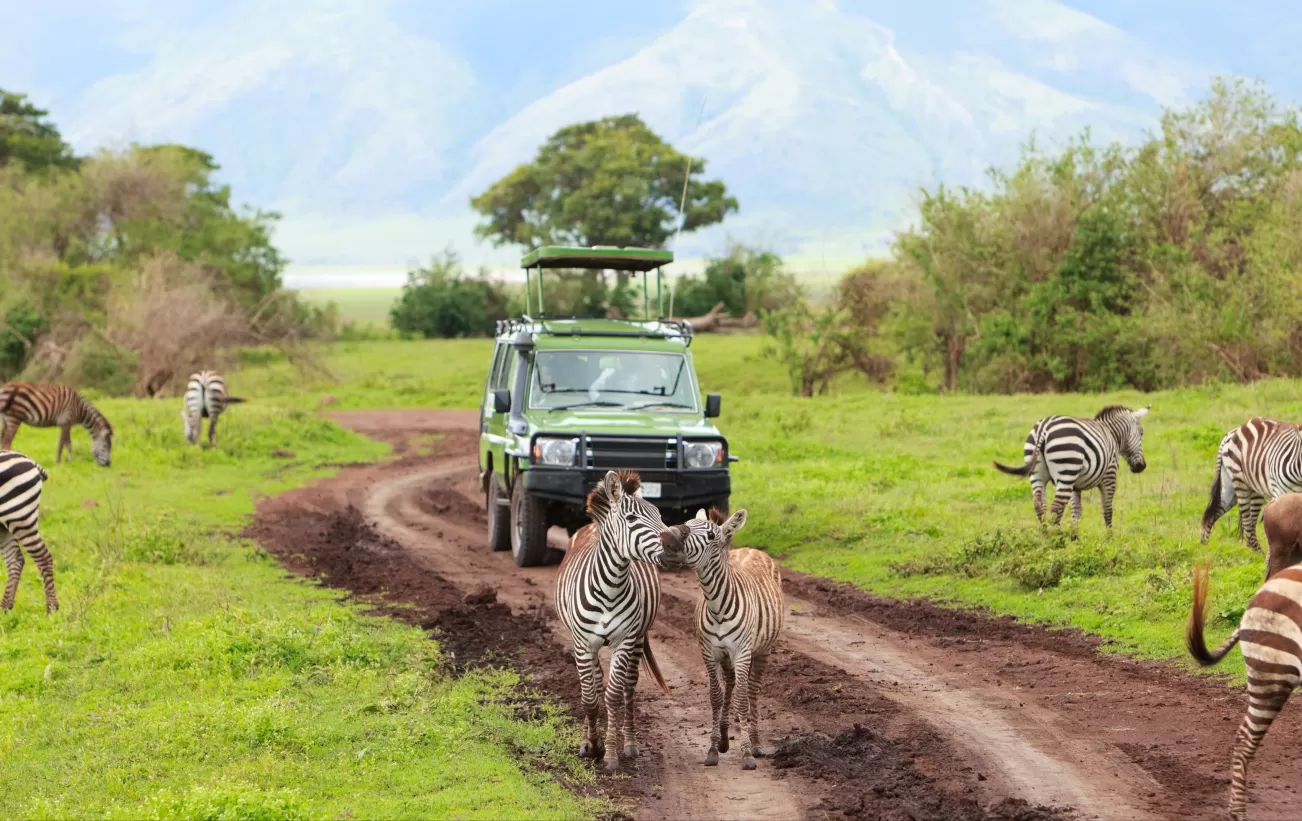
Serengeti Migration Safari (Tanzania)
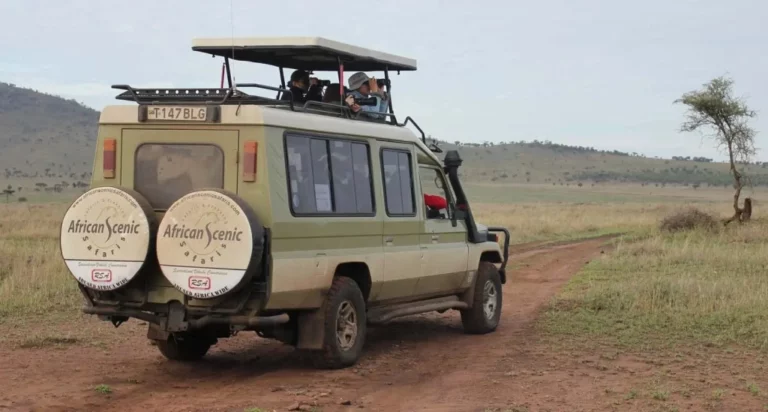
Witness the world’s largest overland migration of wildebeest and zebras. The Serengeti is famous for its golden plains and high predator visibility, especially during the Great Migration (June to October). Safari vehicles track animal movements, and many tours include luxury tented camps near key migration routes.
The Serengeti also connects with the Ngorongoro Crater, allowing visitors to spot Big Five species in one of the densest wildlife areas on Earth.
Okavango Delta Safari (Botswana)
A UNESCO World Heritage Site, the Okavango Delta is best explored by mokoro (dugout canoe). The tour takes you through winding waterways where hippos, crocodiles, and elephants roam. It’s a paradise for bird watchers and offers exceptional game-viewing with few crowds.
Lodges here emphasize sustainability and low-impact travel, often operating on solar power and offering unique “water-based safaris.”
Masai Mara Safari (Kenya)
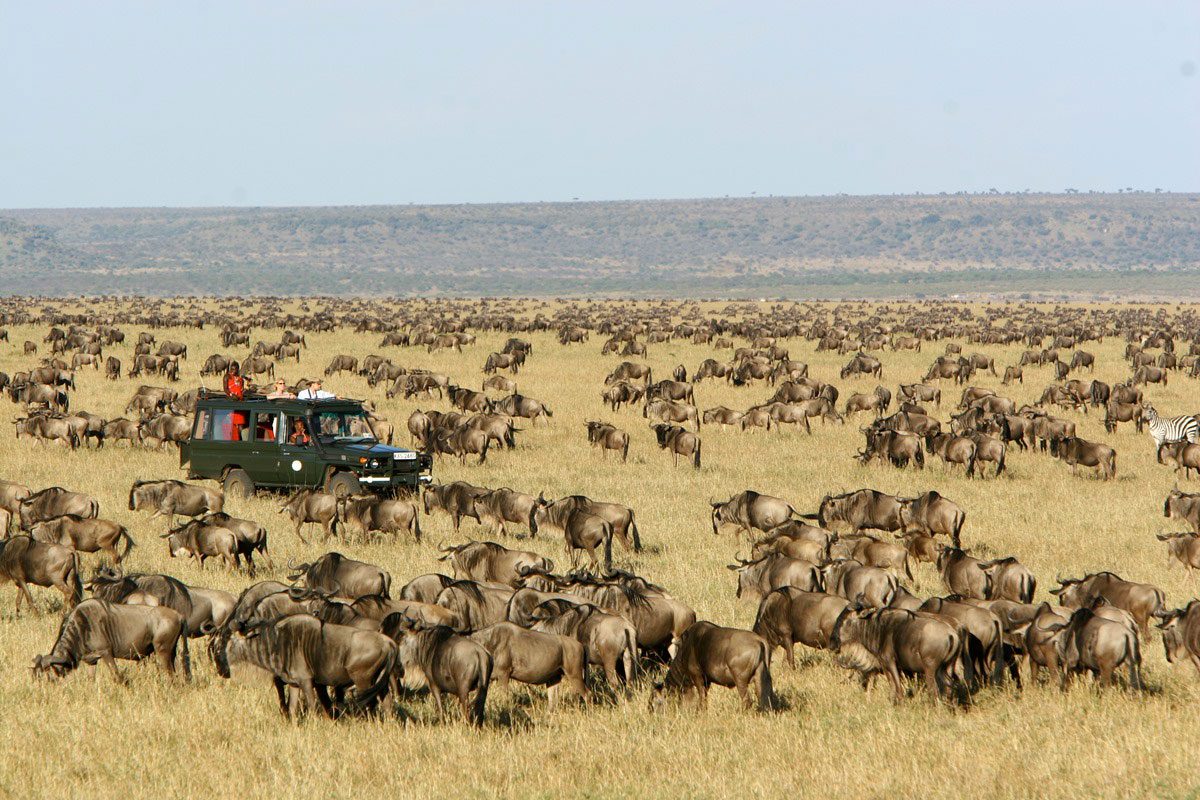
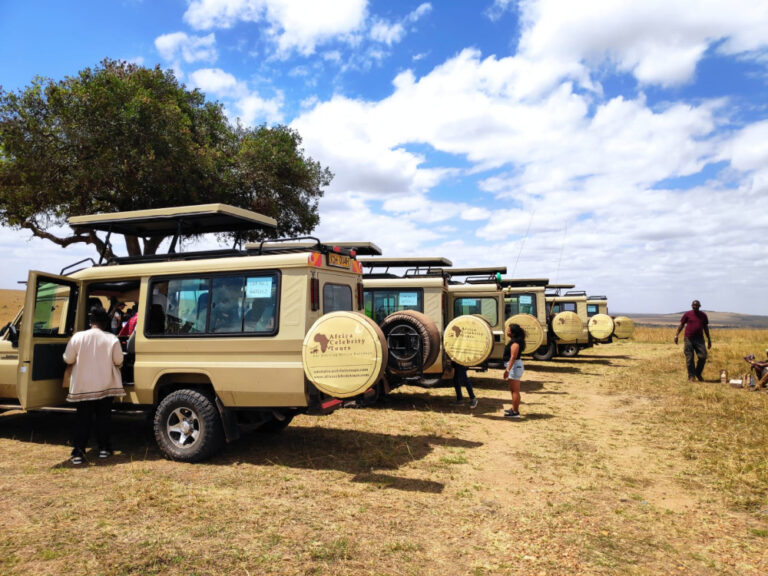
Kenya’s Masai Mara shares an ecosystem with Tanzania’s Serengeti and is known for predator sightings and dramatic river crossings during the migration season. What makes this tour stand out is the opportunity to visit local Maasai communities and learn about their culture and conservation efforts.
Balloon safaris over the Mara at sunrise are a must-do add-on.
Kruger National Park Safari (South Africa)
One of Africa’s most accessible and well-developed parks, Kruger offers an ideal safari for first-timers. The park’s infrastructure supports both self-drive safaris and guided tours. Its wildlife density and Big Five sightings are reliable year-round.
Visitors can choose between luxury private game reserves and affordable government-run camps.
Gorilla Trekking in Bwindi (Uganda)
Unlike traditional safaris, this adventure involves trekking through misty rainforests to observe endangered mountain gorillas up close. It’s physically demanding but deeply rewarding.
Permits are required and numbers are limited, making this one of the most exclusive African wildlife experiences.
Chobe National Park Safari (Botswana)
Famed for its large elephant herds, Chobe is best explored via river safari. Boats glide along the Chobe River where elephants bathe and buffalo drink. Sunset cruises offer incredible photography opportunities.
This tour pairs well with Victoria Falls, located just nearby.
Namib Desert and Etosha Safari (Namibia)
Namibia’s safari tours offer an otherworldly experience with surreal landscapes, from red dunes in Sossusvlei to the salt pans of Etosha National Park. Etosha features waterholes where animals congregate, making it ideal for stationary game viewing.
Namibia is also a great destination for stargazing and geological tours.
South Luangwa Safari (Zambia)
South Luangwa is the birthplace of walking safaris. This allows you to experience wildlife encounters on foot, led by expert rangers and armed scouts. Night drives are also common here, revealing nocturnal species like leopards and genets.
Tourism here is low-volume, making it ideal for travelers seeking a remote experience.
Volcanoes National Park Safari (Rwanda)
Similar to Uganda, Rwanda offers gorilla trekking experiences in Volcanoes National Park. The trek is paired with cultural experiences such as visiting the Dian Fossey research center or Iby’iwacu Cultural Village.
Selous Game Reserve Safari (Tanzania)
Now part of the Nyerere National Park, this vast and lesser-known reserve offers off-the-beaten-path safaris in southern Tanzania. It features river safaris, walking tours, and fly-in camps, with fewer crowds compared to Serengeti or Ngorongoro.
The biodiversity here includes rare species like wild dogs and sable antelope.
The Role of Technology in Modern Safari Tours
Technology is playing a transformative role in enhancing the safari experience. Modern safari tours increasingly use GPS tracking for animals, apps for bird and mammal identification, and satellite phones for communication in remote areas. Safari guides use digital tools to log sightings and improve guest experiences.
In luxury camps, guests may access solar-powered charging stations, high-speed Wi-Fi (in central lodges), and digital concierge services for itinerary adjustments.
Real-World Use Case Examples
1. Singita Grumeti, Tanzania
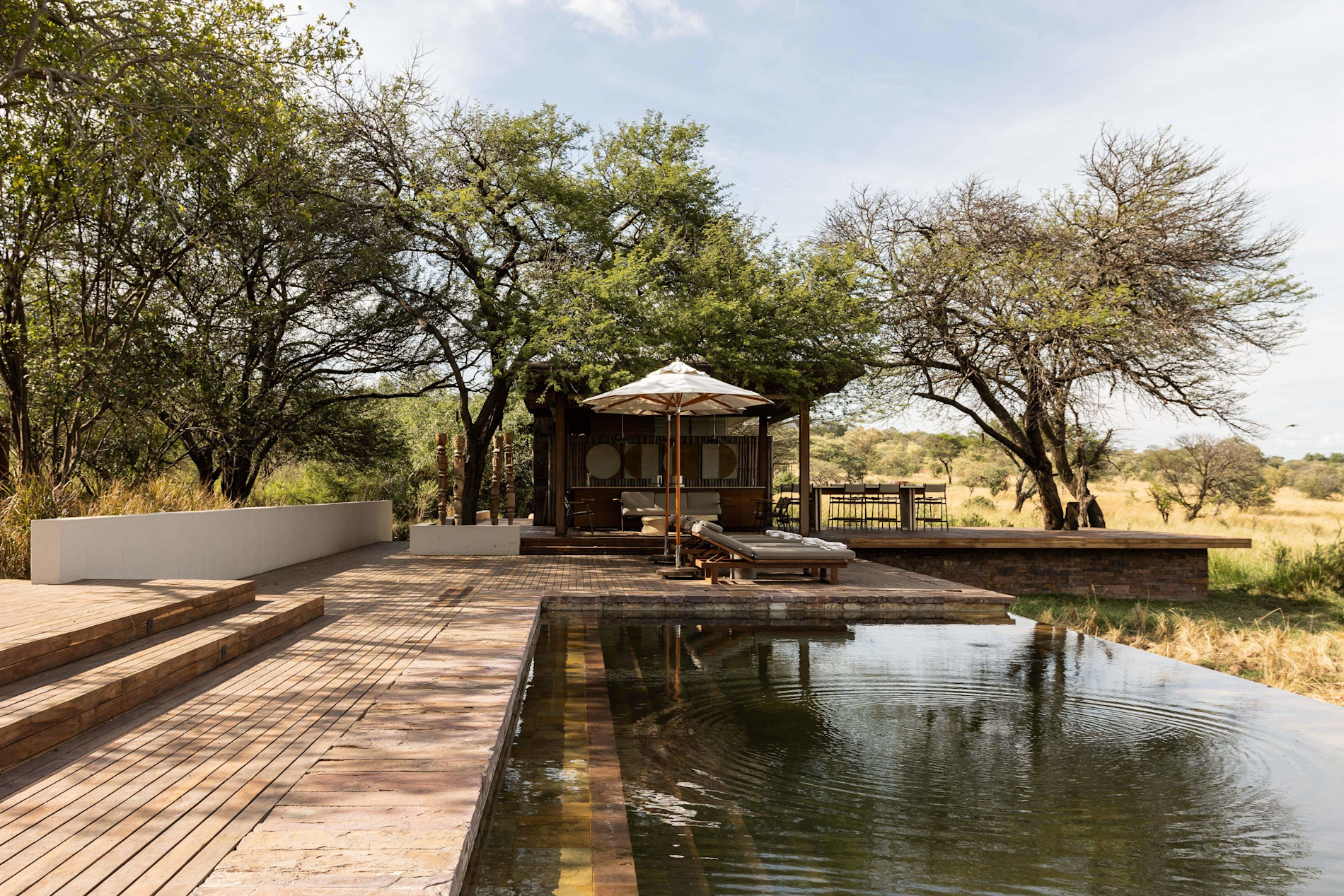
Singita Grumeti is a private reserve adjacent to the Serengeti. It offers luxury safaris with award-winning lodges, night vision game drives, and conservation-focused activities. Guests can access real-time migration data through a mobile app and interact with conservation staff working on-site.
2. Sanctuary Chief’s Camp, Okavango Delta
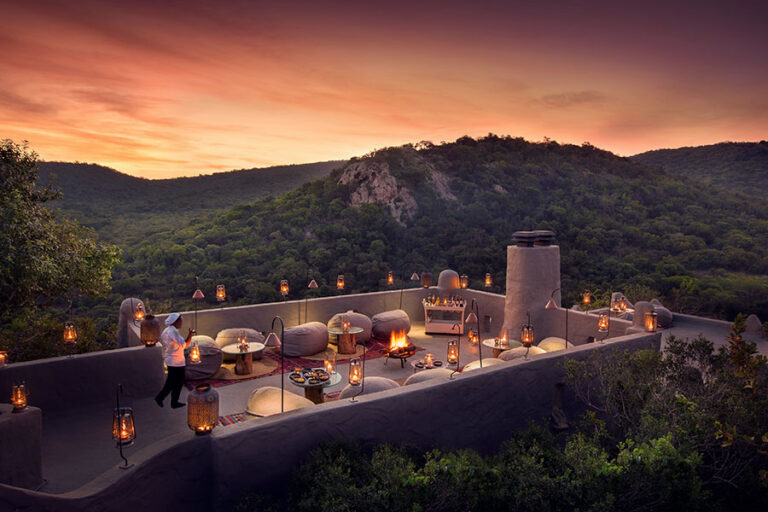
Located on Chief’s Island, this eco-luxury camp features tech-savvy tents with air conditioning, Wi-Fi, and curated digital field guides. It offers water and land safaris, perfect for tracking elusive wildlife such as leopards and painted wolves.
3. &Beyond Ngorongoro Crater Lodge
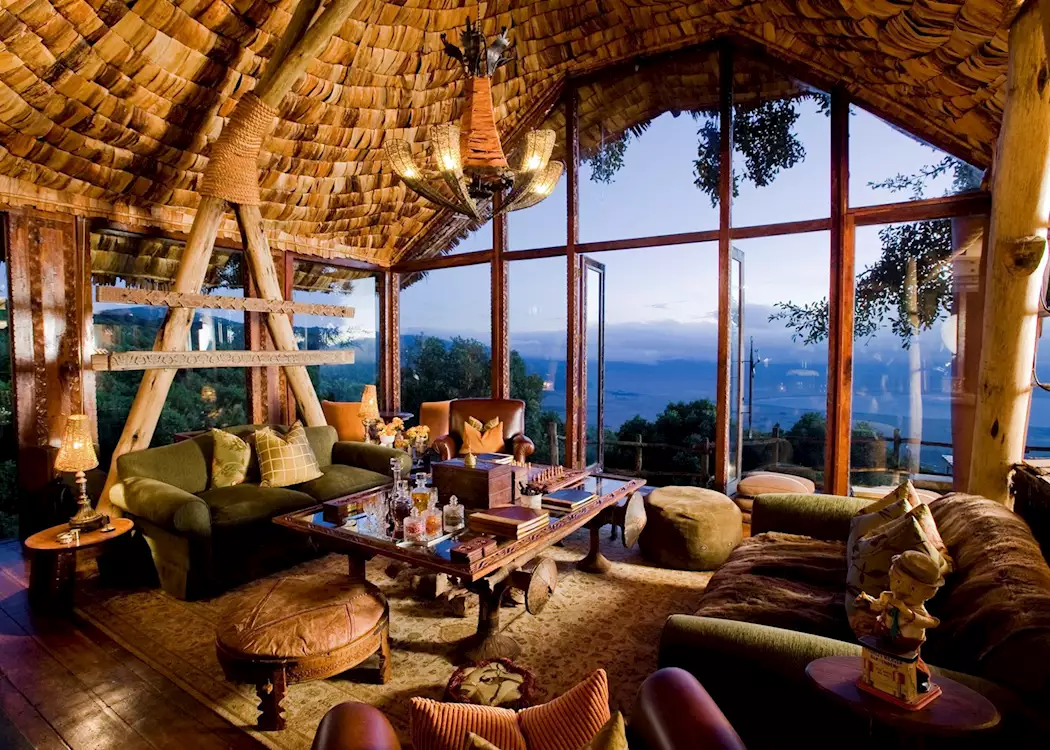
Situated on the crater’s rim, this lodge provides exceptional views and integrates technology with luxury—allowing seamless communication, dietary customization through apps, and pre-programmed stargazing telescopes.
4. African Bush Camps, Zimbabwe
These mobile camps are designed to leave no environmental footprint. Technology is integrated via solar systems, e-guides, and radio-linked guides to maximize animal sightings. The back office also uses AI for logistics and sustainability forecasting.
Benefits of African Safari Tours
Safari tours provide a range of personal and environmental benefits. For travelers, they offer a reconnection with nature, mental rejuvenation, and a rare opportunity to unplug from urban life. Educationally, they teach about ecosystems, conservation challenges, and the balance of wildlife and humanity.
From an ecological standpoint, sustainable safari tourism funds national parks, anti-poaching units, and local economies. Many safari operators partner with indigenous tribes, helping preserve their cultural heritage and support community development.
Real-Life Use Cases and Problem Solving
Safari tours solve a variety of modern travel needs:
-
Disconnect from technology: Safaris offer digital detox while still keeping safety systems in place.
-
Family bonding: Multi-generational families can enjoy curated wildlife activities that suit all ages.
-
Wildlife photography: Professional photographers use safaris to access untouched wildlife scenes.
-
Conservation tourism: Travelers can directly support endangered species and habitat protection by choosing ethical tours.
In an increasingly industrialized world, these tours provide a meaningful way to travel with purpose.
Frequently Asked Questions
Q1. What is the best time to go on an African safari?
The dry season (June to October) is generally best for game viewing as animals congregate around water sources. However, some regions offer unique experiences during the wet season, such as bird migrations and lush landscapes.
Q2. Are African safari tours safe for travelers?
Yes, when booked with licensed and reputable operators, safari tours are very safe. Guides are trained to handle wildlife encounters and emergencies. Vaccinations and travel insurance are recommended.
Q3. How long should an ideal safari last?
A 7- to 10-day safari is ideal for visiting multiple parks or countries. Top 10 African Safari Tours. Shorter 3- to 5-day trips are also rewarding, especially in regions like Kruger or the Masai a ra, where wildlife is abundant.