Salkantay Trek Solo: The Ultimate Guide for Independent Hikers to Machu Picchu
The Salkantay Trek is a breathtaking high-altitude adventure in the Peruvian Andes, offering an alternative route to Machu Picchu for those looking to avoid the crowds of the Inca Trail. For solo travelers, this journey offers a profound opportunity to connect with nature, push personal boundaries, and explore one of the most scenic routes in South America. This guide provides everything you need to know about tackling the Salkantay Trek solo—covering safety, gear, logistics, and real-world insights to help you succeed on your terms.
Why Hike the Salkantay Trek Solo?
A Unique Blend of Solitude and Freedom
Hiking the Salkantay Trek solo provides a rare combination of independence and immersion in one of the world’s most stunning landscapes. Unlike the Inca Trail, which requires booking through tour companies, the Salkantay Trek can be completed independently without a guide. This flexibility allows solo hikers to craft their own pace and experience without being bound by group schedules.
This independence enhances the sense of personal accomplishment and allows travelers to reflect, recharge, and fully engage with the journey on a more introspective level. It’s ideal for those looking for an immersive outdoor experience with room for self-discovery.
Cost-Effective Adventure for Budget Travelers
Solo trekking the Salkantay route is significantly cheaper than guided tours. While you’ll need to pay for food, lodging, and transport, bypassing the guide fees can save you hundreds of dollars. With basic Spanish, good planning, and a willingness to navigate the trail with maps or GPS apps, it becomes a feasible and budget-friendly option for independent adventurers.
Overview of the Salkantay Route for Solo Travelers
High-Altitude Passes and Glacial Peaks
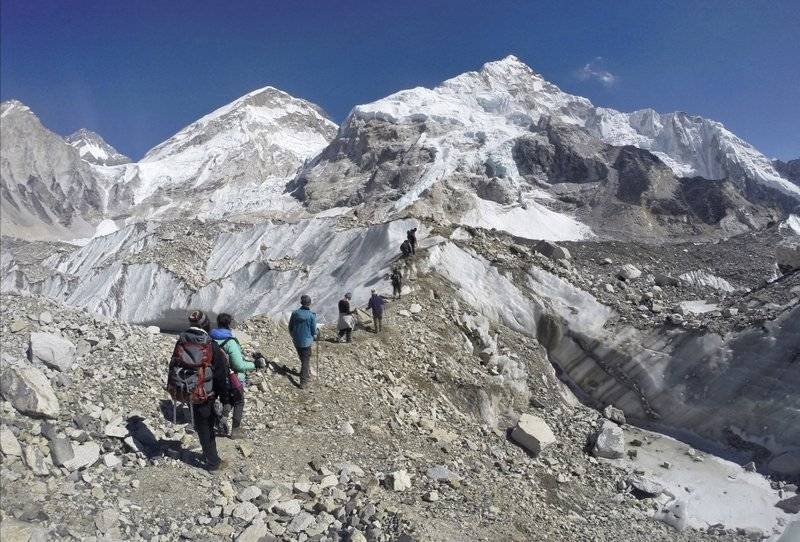
The classic Salkantay Trek spans approximately 72 km (45 miles) over five days. The route begins in Mollepata and ascends to the Salkantay Pass (4,650 meters), offering dramatic views of snow-capped Mount Salkantay. Solo hikers will traverse ecosystems ranging from icy alpine tundras to humid cloud forests, all without the need for permits.
Campsites and lodges along the way—such as Soraypampa, Chaullay, and Lucmabamba—make it easy to find rest stops. These are often run by locals and provide basic meals and shelter, which is helpful for those traveling independently.
Final Approach to Machu Picchu
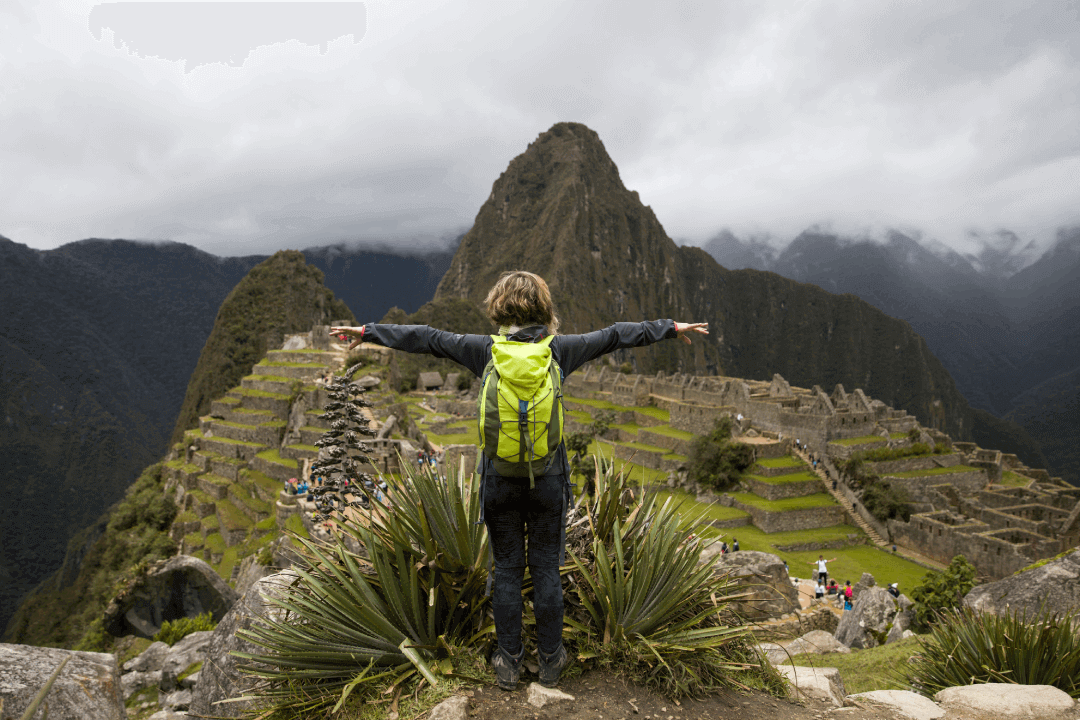
The last leg of the trek connects with the Hydroelectric Station near Aguas Calientes, where travelers can hike the train tracks or take a short train ride to reach the gateway to Machu Picchu. This finale rewards solo hikers with a triumphant arrival, having navigated some of the most demanding terrain in the region entirely on their own.
Being alone doesn’t mean isolation here. Along the trail, you’ll often meet fellow hikers, giving you the option to share stories and join forces when desired, while still maintaining your independence.
Real-World Solo Trekking Examples and Use Cases
Navigating with AllTrails or Gaia GPS
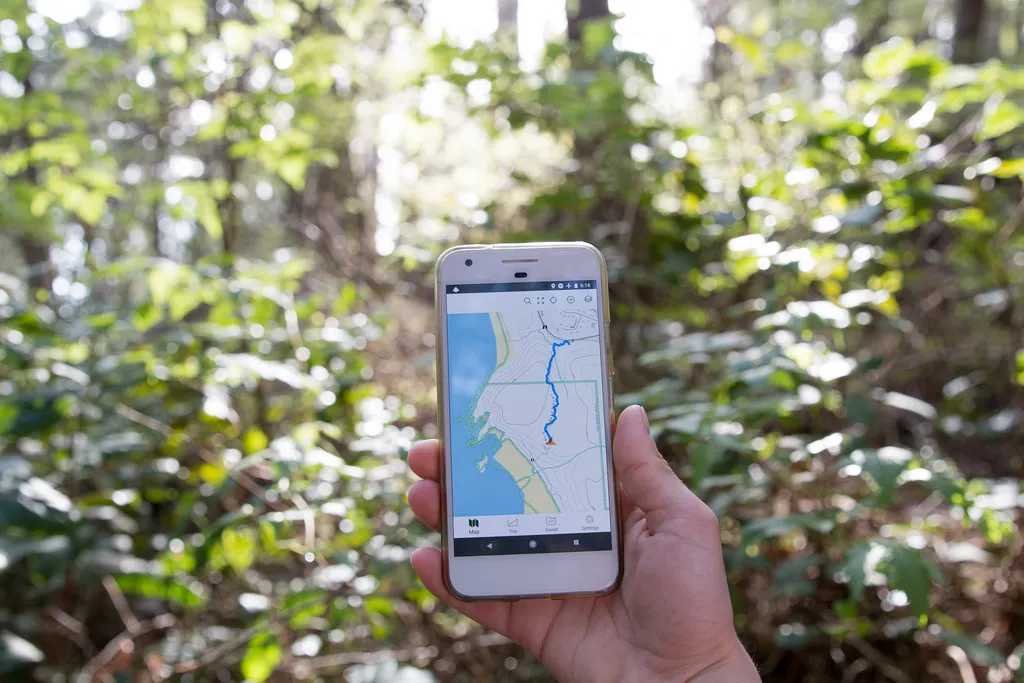
Mobile apps like AllTrails and Gaia GPS provide downloadable maps, elevation profiles, and real-time location tracking. Solo hikers use these tools to confidently navigate the trail without needing a guide. AllTrails, for instance, has user-generated reviews and route insights that help you avoid confusing forks and identify water refill points.
These apps empower hikers to make informed decisions and reduce the risk of getting lost, especially in areas where trail markers are sparse or weather conditions obscure visibility.
Booking Mountain Lodges via WhatsApp
Many solo travelers report successfully booking campsites and mountain lodges through WhatsApp or simple walk-in systems. Places like Soraypampa Sky Camp and Chaullay Eco Lodges accept same-day reservations, giving solo hikers the flexibility to adjust their pace without advance commitments.
This approach provides a balance between structure and spontaneity. It also helps avoid the need to carry camping gear, which can be a burden for solo hikers managing everything themselves.
Portable Solar Chargers for Independent Power Supply
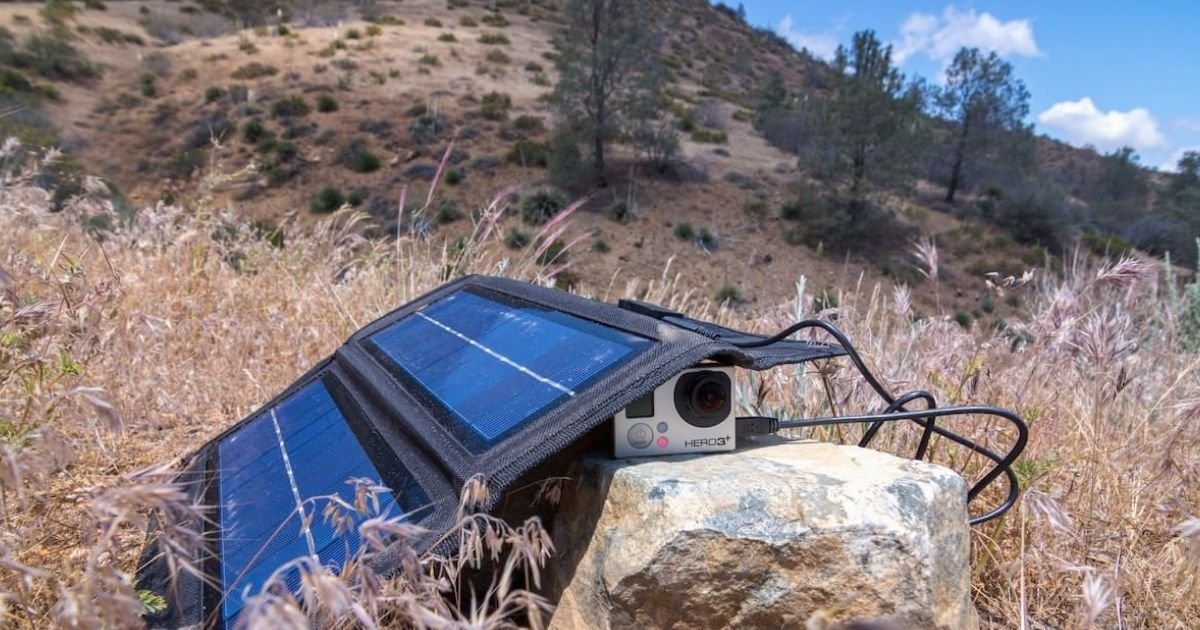
Because electricity is limited on the trail, many solo adventurers bring compact solar chargers to power phones, GPS devices, and cameras. Brands like Anker or Goal Zero offer rugged, weatherproof chargers that attach to backpacks and generate energy throughout the hike.
This allows you to maintain your navigation tools and communication devices, which are critical for safety and documenting your journey. Solo travelers often find this setup indispensable, especially on longer treks where access to charging points is unreliable.
Lightweight Water Purifiers for Self-Reliance
Reliable water sources are scattered throughout the Salkantay Trail, but not all are safe for drinking. Lightweight filtration systems like the Sawyer Mini or LifeStraw are commonly used by solo hikers. These allow independent trekkers to refill from rivers or taps without relying on bottled water or boiling systems.
Having a personal purification method reduces weight, increases safety, and promotes autonomy. It’s a perfect solution for those who want to minimize reliance on lodges or external help.
Technology Benefits for Solo Trekkers
Offline Navigation Enhances Safety and Confidence
Modern navigation apps like Gaia GPS and Maps.me allow you to download trail maps before your hike. When the cell signal is unavailable—which is common along the Salkantay route—these tools function offline using GPS. Solo travelers can identify campsites, water points, and elevation gains, making the trek safer and more manageable.
With a properly charged device and solar backup, these apps become your virtual guide, eliminating the fear of getting lost while hiking alone.
Real-Time Communication Through Satellite Messengers
Devices like the Garmin inReach or SPOT Gen4 allow solo trekkers to send location updates and SOS signals from remote areas. While many don’t consider these essential, for solo hikers, they provide peace of mind. Family members can track progress, and you can request help if you encounter injuries or get off track.
These tools are especially helpful in high-altitude zones where injuries from altitude sickness or slips are more common. Having a direct line to help adds a vital layer of security.
Practical Use Cases and Advantages of Solo Trekking the Salkantay Route
Problem: High Cost of Guided Treks
Solution: Solo trekking removes the need for agencies and guides, significantly lowering the cost of the trip. With affordable hostels and meals along the trail, even long hikes can fit within a modest budget.
Problem: Inflexible Group Itineraries
Solution: Solo hikers can choose their pace, rest when tired, and linger at scenic points. This makes the journey more enjoyable and deeply personal. You also have the freedom to detour or take extra days without affecting a group.
Problem: Mental Fatigue and Lack of Personal Space
Solution: Solo trekking offers space for reflection and solitude. Many travelers report mental clarity and emotional release after spending days immersed in nature without distractions. It’s a therapeutic experience that’s hard to replicate in group settings.
Frequently Asked Questions
Q1. Is it safe to do the Salkantay Trek solo?
Yes, many solo hikers complete the trek each year without issues. While remote, the trail is moderately well-marked and populated by local lodges and other trekkers. Using navigation tools and basic safety precautions ensures a secure experience.
Q2. What gear do I need to hike the Salkantay Trek solo?
At a minimum, you’ll need good hiking boots, weatherproof clothing, a sleeping bag (unless staying in lodges), a first aid kit, water purification, and a navigation app. A power bank or solar charger and snacks for energy are also highly recommended.
Q3. Can I reach Machu Picchu without a guide from the Salkantay Trek?
Yes. After reaching the Hydroelectric Station, you can hike or take the train to Aguas Calientes. From there, you can buy your ticket to Machu Picchu and enter independently or with a local guide hired on-site.