The Ultimate Guide to Planning a Safari Family Vacation in Africa
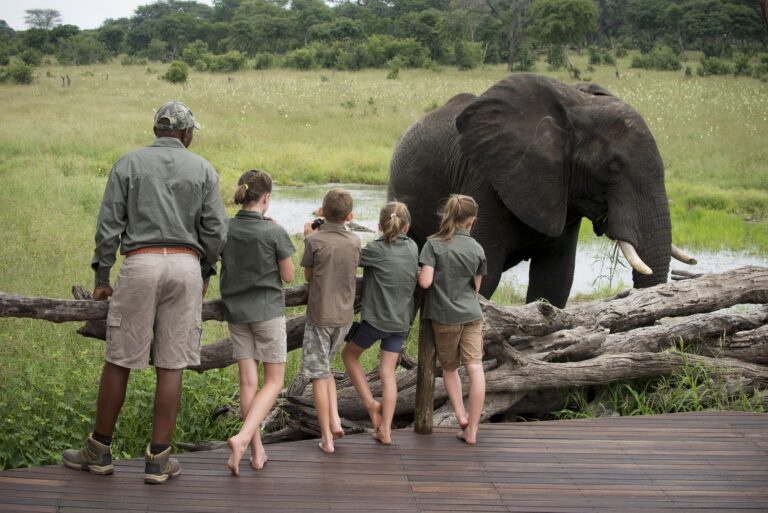
A safari family vacation is not just a getaway—it’s an immersive journey into the heart of nature, wildlife, and cultural discovery. Unlike a standard vacation, a safari introduces children and adults alike to the wonders of the African wilderness, from spotting the Big Five to engaging in local conservation activities. These experiences can be profoundly educational and deeply bonding for families.
Understanding What a Safari Family Vacation Truly Entails
The core idea behind a safari family vacation is balance: safety, comfort, and education paired with real adventure. While traditional safaris were mostly geared towards adults or hardcore travelers, modern family-focused safaris are designed to accommodate younger travelers with adjusted schedules, child-friendly activities, and expert guides trained to engage younger minds.
Why Africa Is the Ideal Destination for a Family Safari
Africa offers a diversity of safari experiences that are both thrilling and accessible. Countries like South Africa, Kenya, Tanzania, Botswana, and Namibia are particularly family-friendly. These destinations offer a wide variety of national parks, conservancies, and private reserves that specialize in family-oriented safaris.
In South Africa, malaria-free safari zones like Madikwe and Pilanesberg make it easier for families to travel without health concerns. Meanwhile, Kenya’s Masai Mara and Tanzania’s Serengeti offer unforgettable views of the Great Migration—ideal for educational and awe-inspiring experiences. What sets Africa apart is the blend of breathtaking wildlife, rich culture, and the opportunity to support conservation and eco-tourism.
Choosing the Right Time and Place for a Family Safari
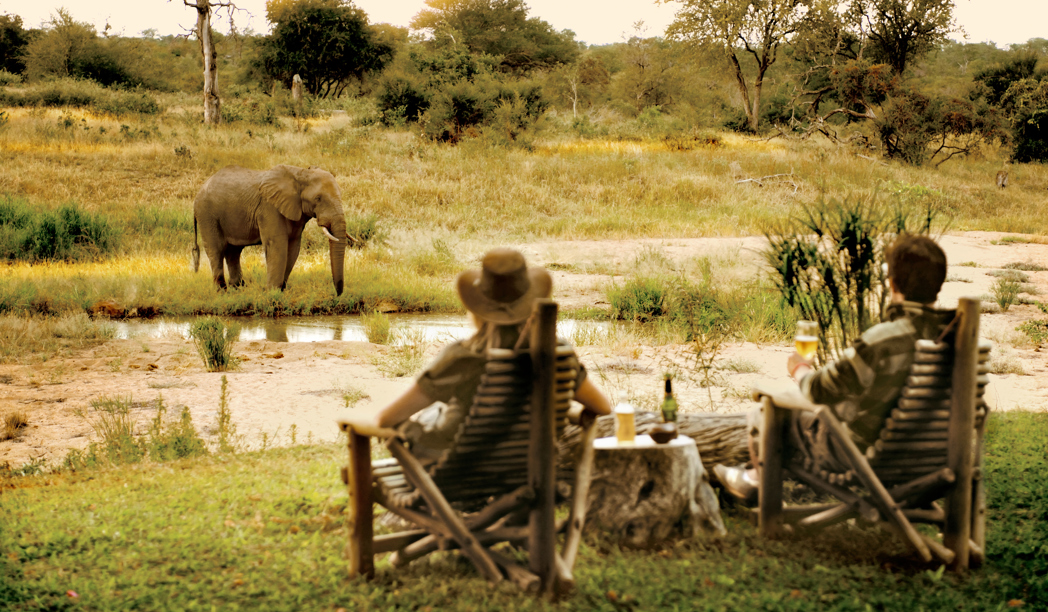
Timing can significantly impact the quality of your safari family vacation. While Africa is a year-round destination, the dry season (typically June through October) is ideal for game viewing. During this time, animals congregate around waterholes, making them easier to spot.
For example, East Africa’s dry season coincides with the Great Migration, offering a chance to witness dramatic river crossings and predator action. Meanwhile, Southern Africa’s dry season offers excellent visibility due to sparse vegetation. Choosing the right location also depends on the age of the children—some lodges have minimum age requirements or tailored kids’ programs.
Benefits of Using Technology in Planning and Experiencing a Safari
Modern technology has significantly enhanced the safari planning process and on-ground experience. From GPS-guided wildlife tracking to VR-based previews of safari lodges, families can make more informed choices and feel more secure.
Apps like iSafari or Tracks4Africa allow travelers to explore park maps, identify animal sightings in real time, and even store digital itineraries. Additionally, travel platforms offer AI-assisted itinerary builders that tailor routes based on family interests, travel dates, and budget. In the field, binoculars with image stabilization, solar-powered gear, and kid-friendly cameras make the experience more interactive and memorable.
Real-World Examples of Safari Family Vacation Experiences
1. &Beyond Kichwa Tembo Tented Camp, Kenya
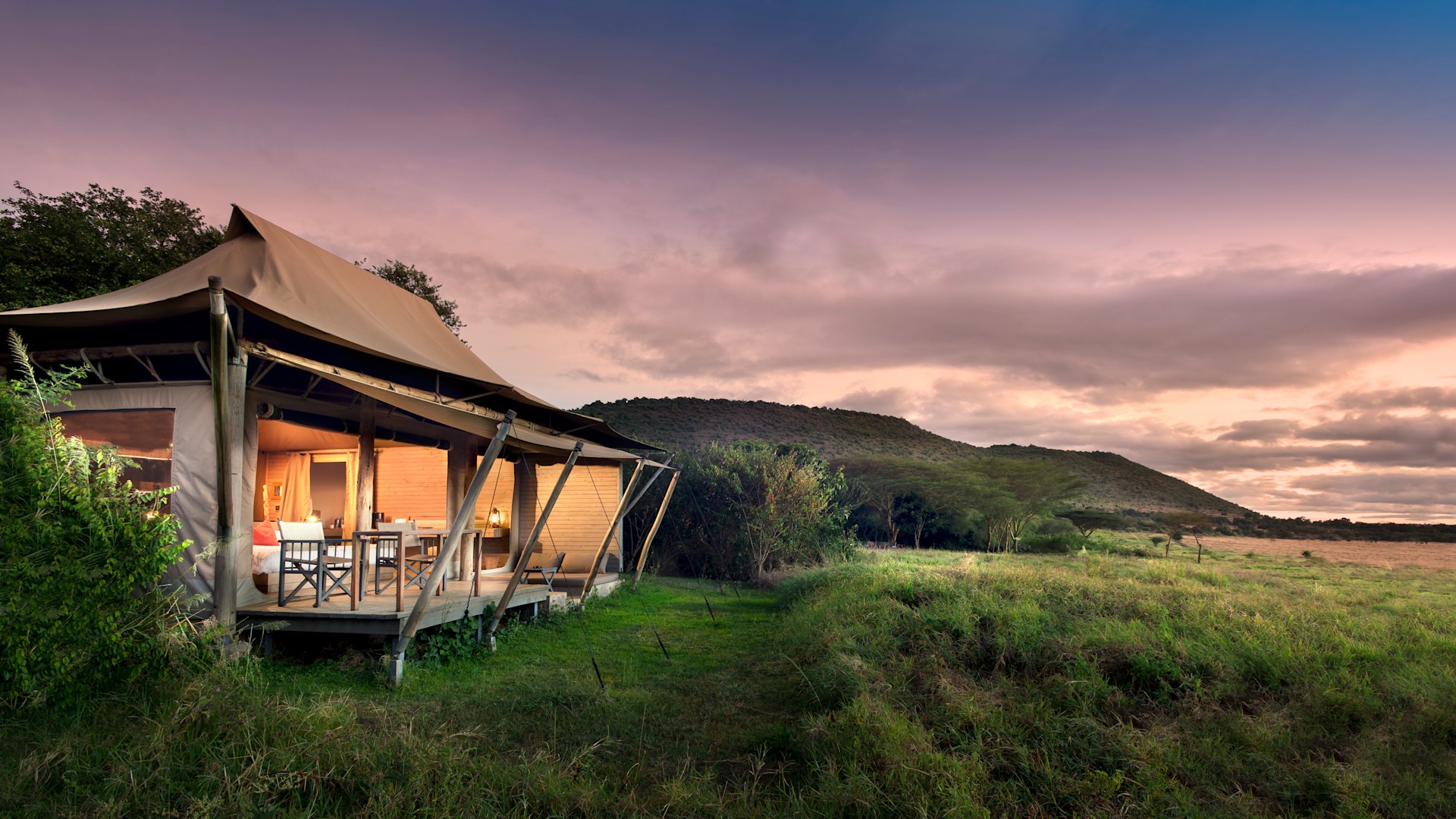
This luxury safari camp offers a child-friendly experience in the heart of the Masai Mara. Families can participate in game drives led by expert rangers who are skilled at making the experience engaging for children. The camp offers “WILDchild” programs that include activities like bow-and-arrow making, tracking animal footprints, and storytelling with local guides.
2. Madikwe Safari Lodge, South Africa
Located in a malaria-free zone, Madikwe is perfect for families with young children. The lodge features family suites, childminding services, and safari drives tailored for all age groups. Activities include junior ranger programs and bush baking experiences that allow children to connect with nature through play and education.
3. Serengeti Migration Camp, Tanzania
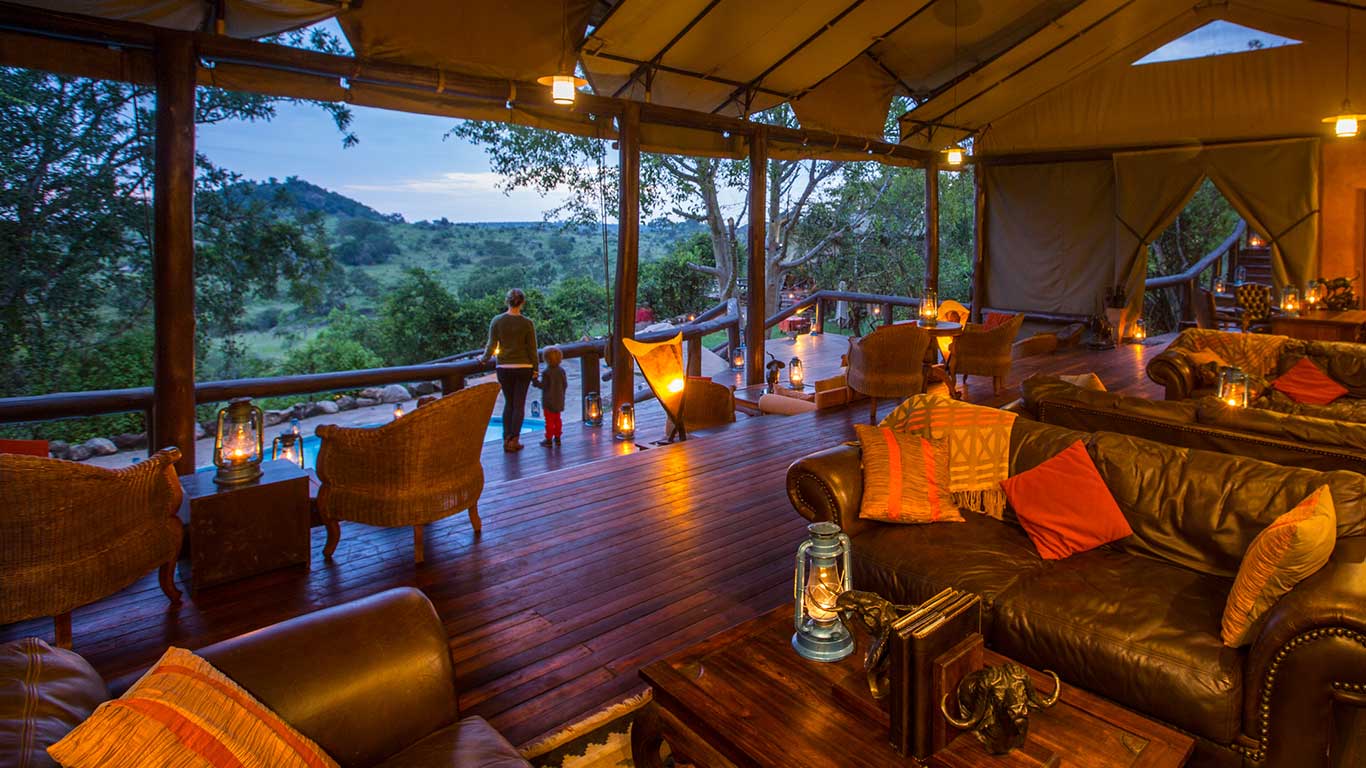
Ideal for older children and teenagers, this camp provides an immersive view of the Great Migration. The experience includes guided walking safaris, animal identification workshops, and evening campfire discussions on conservation. It’s an educational powerhouse wrapped in luxury and adventure.
4. Okavango Delta Family Camp, Botswana
This delta safari offers mokoro (canoe) safaris, bird watching, and kid-oriented nature walks. Guides teach basic bush survival skills and explain the importance of conservation in the fragile delta ecosystem. Its remote location provides an intimate encounter with wildlife and nature.
5. Etosha Safari Camp, Namibia
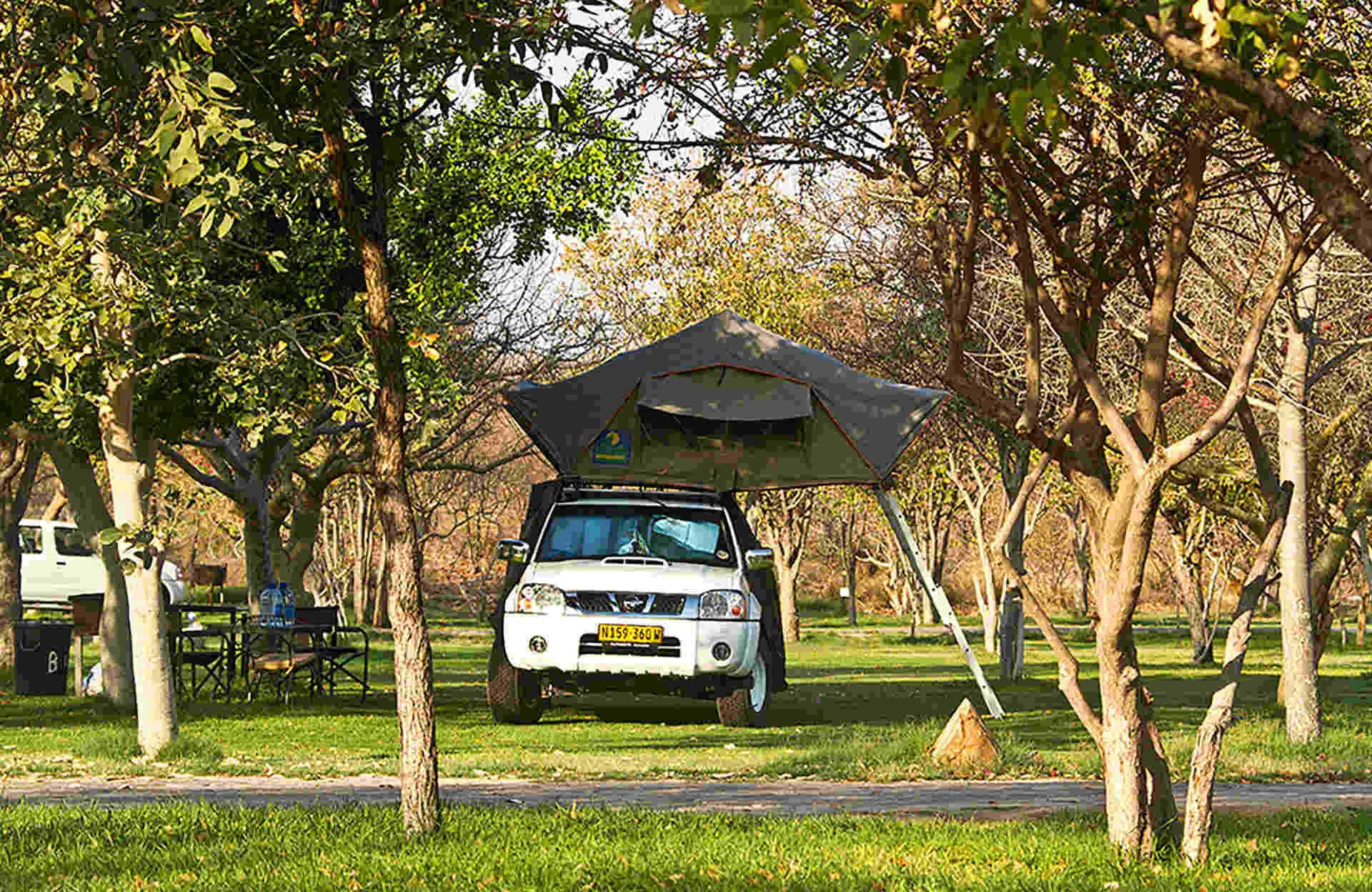
Etosha offers an affordable yet rich safari experience. With guided game drives and family bungalows, it’s a favorite among self-drive safari enthusiasts. Children love the watering holes where they can watch elephants, giraffes, and rhinos up close while learning about desert ecosystems.
Practical Advantages of a Safari Family Vacation
A safari family vacation offers more than wildlife viewing. It promotes bonding through shared discovery and awe-inspiring moments in nature. These trips challenge families to disconnect from screens and distractions and reconnect with each other.
Additionally, safaris introduce children to new cultures, conservation ethics, and the importance of biodiversity. It’s a hands-on education that goes far beyond textbooks. Families also benefit from staying in lodges that cater to dietary needs, offer flexible schedules, and provide safety-first amenities.
Real-Life Use Cases and Problem Solving Through Safari Vacations
Educational Enrichment
Many families seek vacation experiences that are both enjoyable and educational. A safari provides a hands-on learning environment where children learn about ecosystems, predator-prey relationships, and conservation challenges. These lessons often have a lasting impact, sparking interest in biology or environmental science.
Reconnecting Through Nature
In an era of screen time and hectic schedules, families often struggle to spend meaningful time together. A safari vacation encourages digital detox, bonding through shared experiences like tracking lions or spotting elusive leopards.
Travel Safety and Customization
Parents often worry about the safety and suitability of vacations for young children. Family-oriented safari lodges are designed with these concerns in mind. From fenced camps to custom game drives for toddlers, the experience is crafted to be secure and stress-free.
Cultural Awareness
Safaris often include visits to local villages or conservation projects. These interactions build empathy and a broader worldview in children, helping them appreciate diversity and develop cultural sensitivity at a young age.
Eco-Conscious Travel Choices
With increasing concern over climate change and sustainability, many families seek travel options that support conservation. Safari camps that contribute to wildlife protection and local employment offer a responsible vacation choice that aligns with these values.
Frequently Asked Questions
Q1. What age is appropriate for a safari family vacation?
Most safari lodges accept children from age six and up, although some lodges are equipped to welcome younger children with special programs. It’s important to choose destinations with family-friendly policies and age-appropriate activities.
Q2. Is it safe to go on a safari with kids?
Yes, when you choose reputable operators and family-focused lodges. Safety protocols are strictly enforced in wildlife areas, and guides are trained to handle families and children. Many camps are fenced, and malaria-free zones are available.
Q3. Do we need special vaccinations or health precautions?
It depends on the country. Some destinations require vaccinations like yellow fever, while others, like South Africa’s Madikwe, are malaria-free. Always consult your physician and review travel health guidelines before your trip.