Planning a Safari Trip: The Complete Guide for a Memorable African Wildlife Adventure
Planning a safari trip is one of the most exciting and rewarding travel experiences you can embark on. From the vast savannas of Kenya to the dense rainforests of Uganda and the arid plains of Namibia, Africa offers unparalleled opportunities to witness wildlife in its natural habitat. However, organizing a safari requires thoughtful preparation. This guide walks you through every aspect of planning a safari—from choosing your destination and time of year to selecting the right gear and using technology to enhance your adventure.
Understanding the Basics of a Safari Trip
Choosing the Right Safari Destination
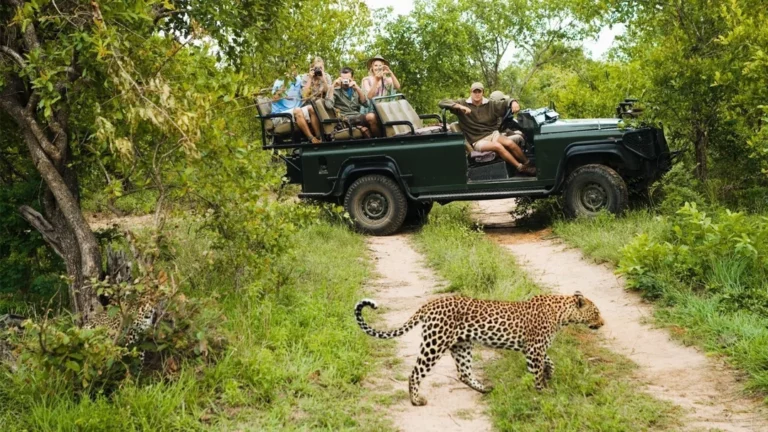
Africa is a vast and diverse continent, and each safari region offers a unique landscape, set of animals, and style of experience. For instance, if you dream of seeing the Big Five (lion, leopard, rhinoceros, elephant, and buffalo), countries like Kenya, Tanzania, and South Africa are ideal. Kenya’s Masai Mara and Tanzania’s Serengeti are famous for the Great Migration, a once-in-a-lifetime wildlife spectacle.
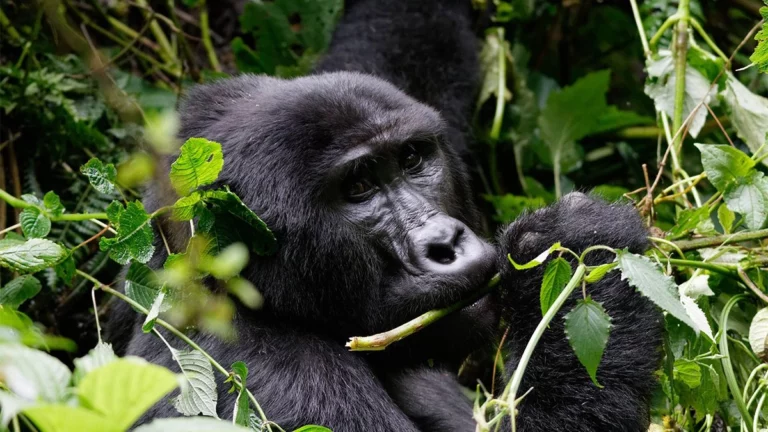
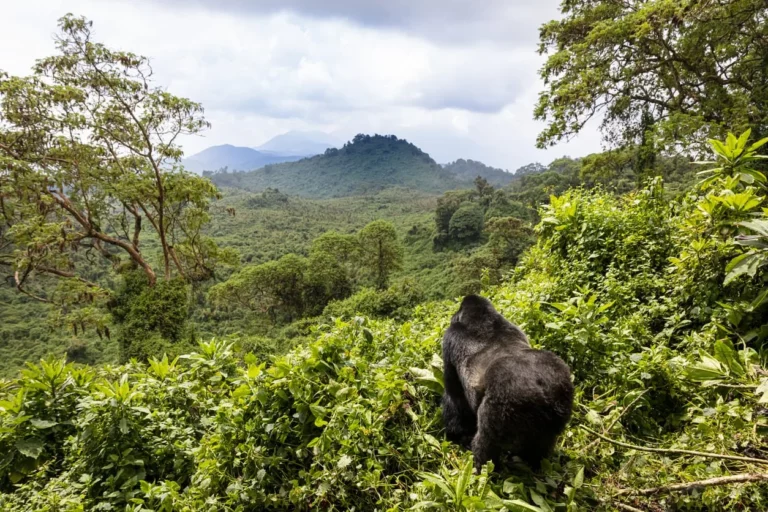
If you prefer off-the-beaten-path destinations, consider Namibia’s Etosha National Park or Zambia’s South Luangwa for walking safaris. Gorilla trekking is only available in Uganda, Rwanda, and parts of the Democratic Republic of Congo. The choice of destination depends on your wildlife interests, travel style, and budget.
Timing Your Safari for Maximum Wildlife Viewing
Wildlife is most visible during the dry season, when animals gather around water sources and vegetation is sparse. This typically ranges from June to October, though exact dates vary by region. Traveling during the shoulder seasons (just before or after the peak dry season) often offers lower prices and fewer tourists while still providing excellent animal sightings.
Rainy seasons may make travel difficult due to muddy roads and swollen rivers, but they bring lush landscapes and vibrant birdlife. It’s also the calving season in some areas, offering the chance to see newborn animals and predator activity.
Organizing Logistics and Accommodation Types
A successful safari requires thoughtful logistical planning. Flights to African safari destinations may involve multiple legs, especially when traveling to remote parks. Once in-country, most safaris involve overland transfers or small charter flights to game reserves or lodges.
Accommodation ranges from budget-friendly campsites and mobile tents to luxury lodges with private decks and plunge pools. Your choice should align with your comfort level and travel goals. Mobile camps are ideal for adventurous travelers wanting to stay close to nature, while lodges offer greater amenities and safety for families or first-time visitors.
Guided vs. Self-Drive Safari
Most travelers opt for guided safaris led by professional rangers and trackers. These tours offer in-depth knowledge, enhanced safety, and better chances of animal encounters. However, some parks—particularly in South Africa and Namibia—allow self-drive safaris. These are suitable for confident travelers who enjoy independent exploration and have experience driving in rugged environments.
Guided safaris may be group-based or private. Private safaris allow full control over the itinerary, which can be tailored to specific interests such as photography, birding, or conservation-focused travel.
Real-World Examples and Use Cases for Safari Trip Planning
Case Study: Planning a Photography-Focused Safari in Botswana
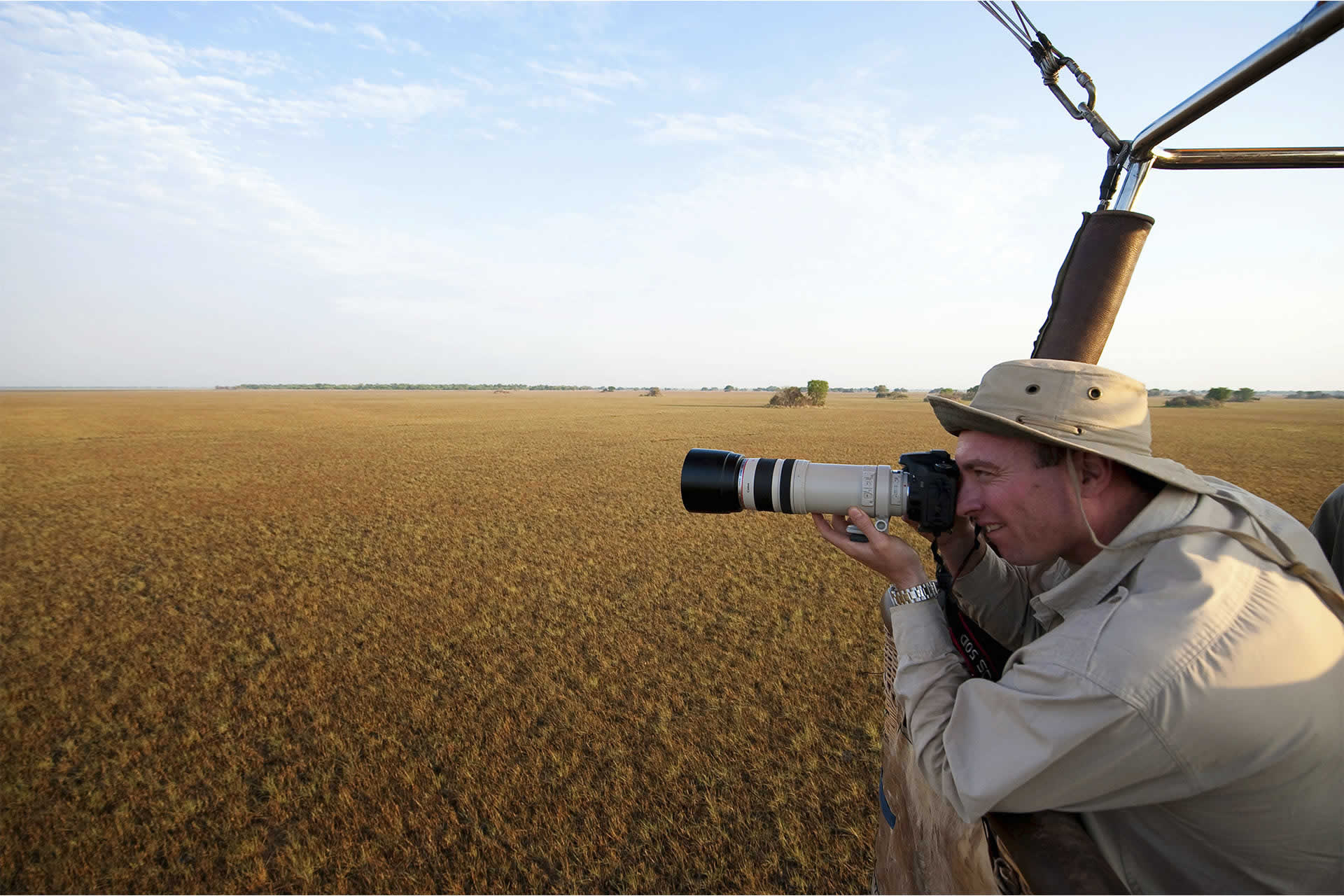
Botswana is known for its pristine landscapes and low-impact, high-value safari model. A traveler planning a photography-focused trip might prioritize lodges in the Okavango Delta or Chobe National Park. These destinations offer excellent lighting, dramatic scenery, and large concentrations of elephants, predators, and bird species.
Many lodges provide vehicles customized for photography, such as bean bag mounts and removable roof covers. Understanding these features ahead of time ensures that you select accommodations and guides who can support your goals.
Case Study: Family Safari in South Africa’s Private Game Reserves
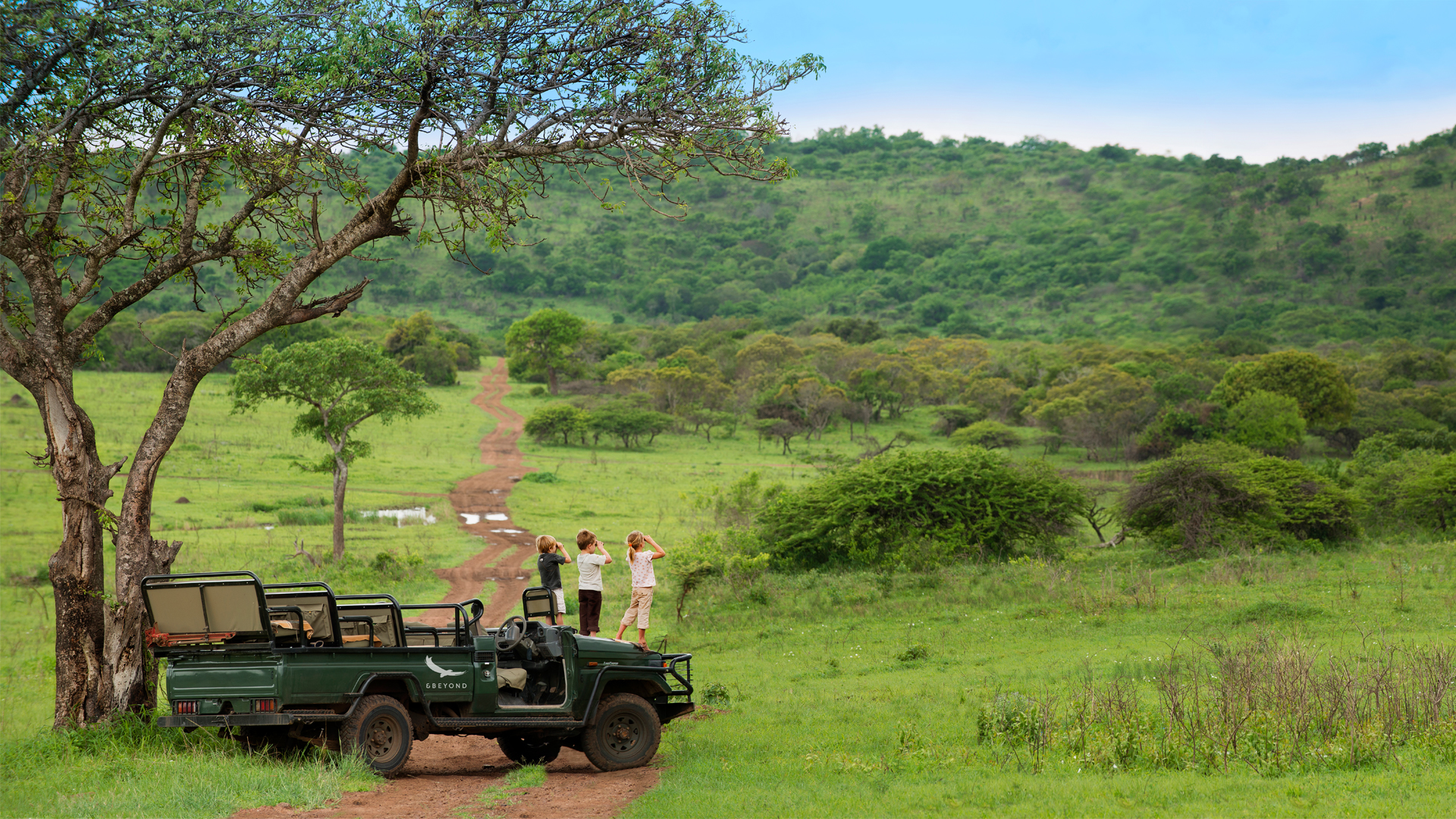
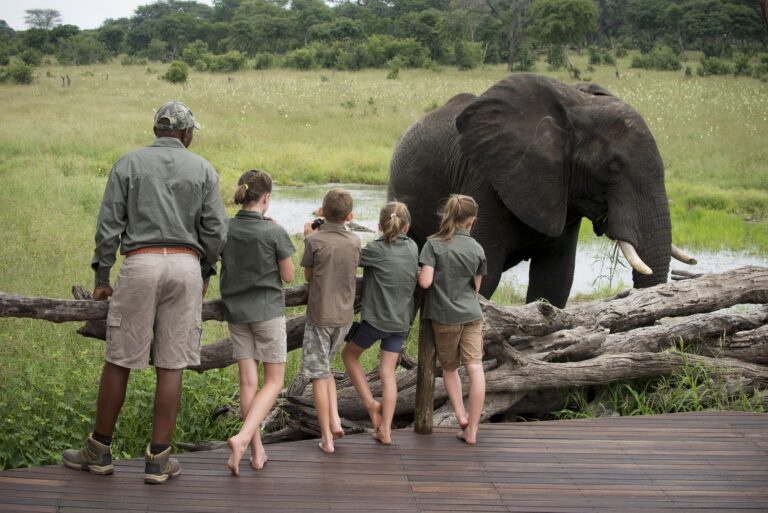
Planning a safari with children requires special considerations. South Africa’s private reserves adjacent to Kruger National Park offer family-friendly lodges with child-focused programming, malaria-free zones, and shorter game drives. These features make the safari safer and more enjoyable for younger travelers.
Operators may provide junior ranger programs, bush-themed treasure hunts, and interactive wildlife talks that help kids connect with nature in age-appropriate ways.
Case Study: Budget-Friendly Group Safari in Tanzania
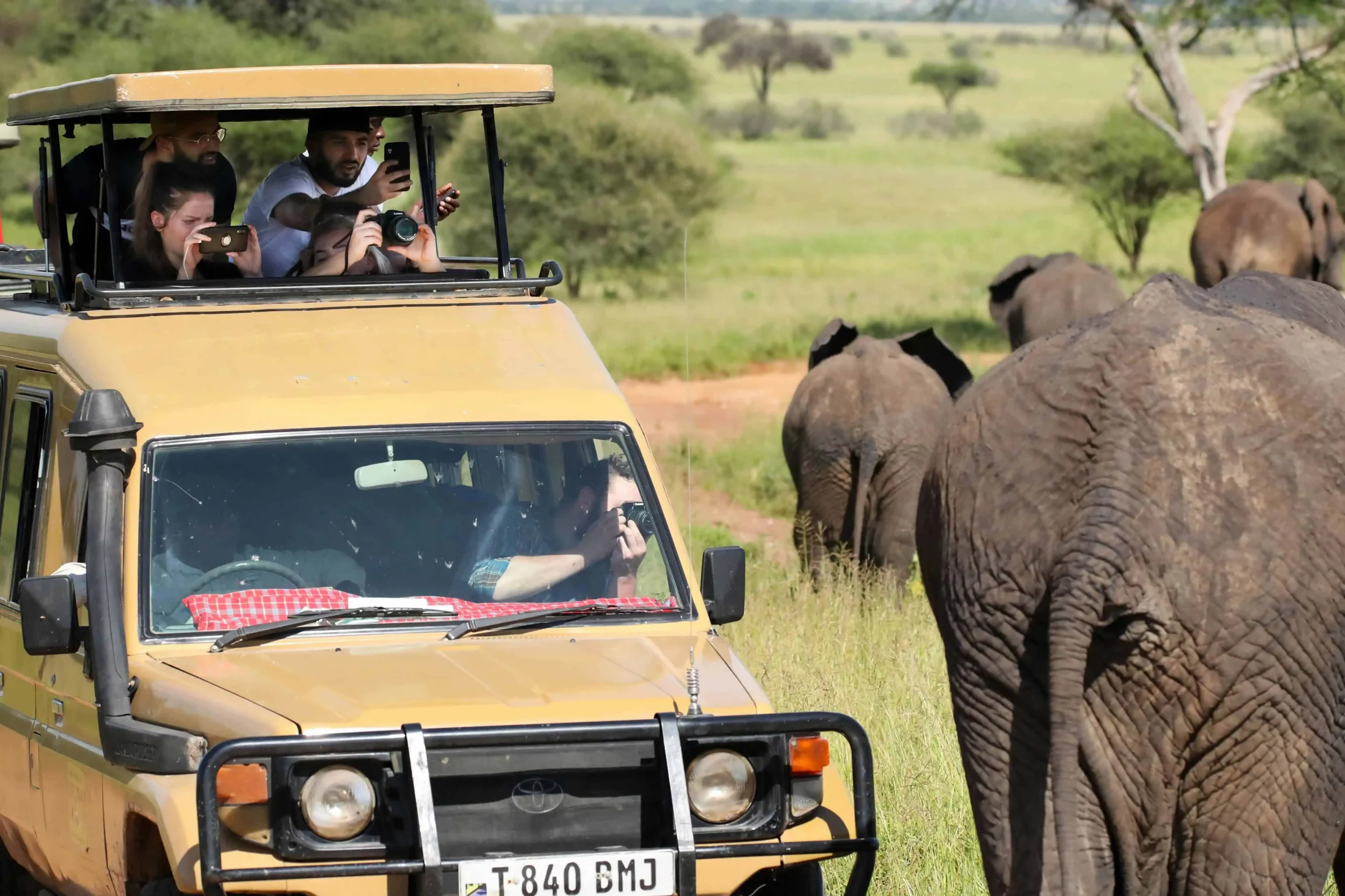
Group safaris are popular among budget-conscious travelers and solo adventurers. In Tanzania, budget tour companies offer shared vehicle safaris that visit the Serengeti, Ngorongoro Crater, and Lake Manyara. Travelers join like-minded individuals while sharing costs for transportation, guides, and accommodations.
Planning a group safari involves reviewing operator credentials, reading traveler reviews, and checking inclusions such as meals, park fees, and camping gear.
Benefits of Using Technology in Safari Trip Planning
Digital Itinerary Tools and Trip Planners
Platforms like SafariBookings, Travelstride, and Google My Maps allow travelers to research, compare, and organize safari trips digitally. SafariBookings aggregates operator ratings, trip itineraries, and country information. You can map routes, view travel distances between parks, and compare seasonal patterns—all in one place.
These tools reduce planning time, avoid miscommunications, and help travelers visualize the entire journey before departure. Customizable maps also allow for offline access in remote areas with limited connectivity.
Wildlife Tracking Apps and Conservation Tools
Apps such as Mammalz, SmartParks, and African Parks provide wildlife tracking updates and park-specific insights. These tools enhance your understanding of animal movement, park history, and conservation efforts. Some apps also offer animal identification tools or allow travelers to contribute sightings to scientific databases.
This technology helps travelers engage more deeply with their surroundings, turning game drives into interactive experiences guided by real-time knowledge.
Language and Currency Apps for Smoother Travel
While English is widely spoken in safari regions, language tools like Google Translate can assist with local dialects or cultural exchanges in remote villages. Currency converters and budget apps like XE or Trail Wallet help manage spending on the go, especially when dealing with cash-based transactions at local markets or rural areas.
Tech-based financial and language tools make travel more fluid and reduce uncertainty in unfamiliar environments.
Advantages of Thoughtful Safari Planning
Enhances Safety and Comfort
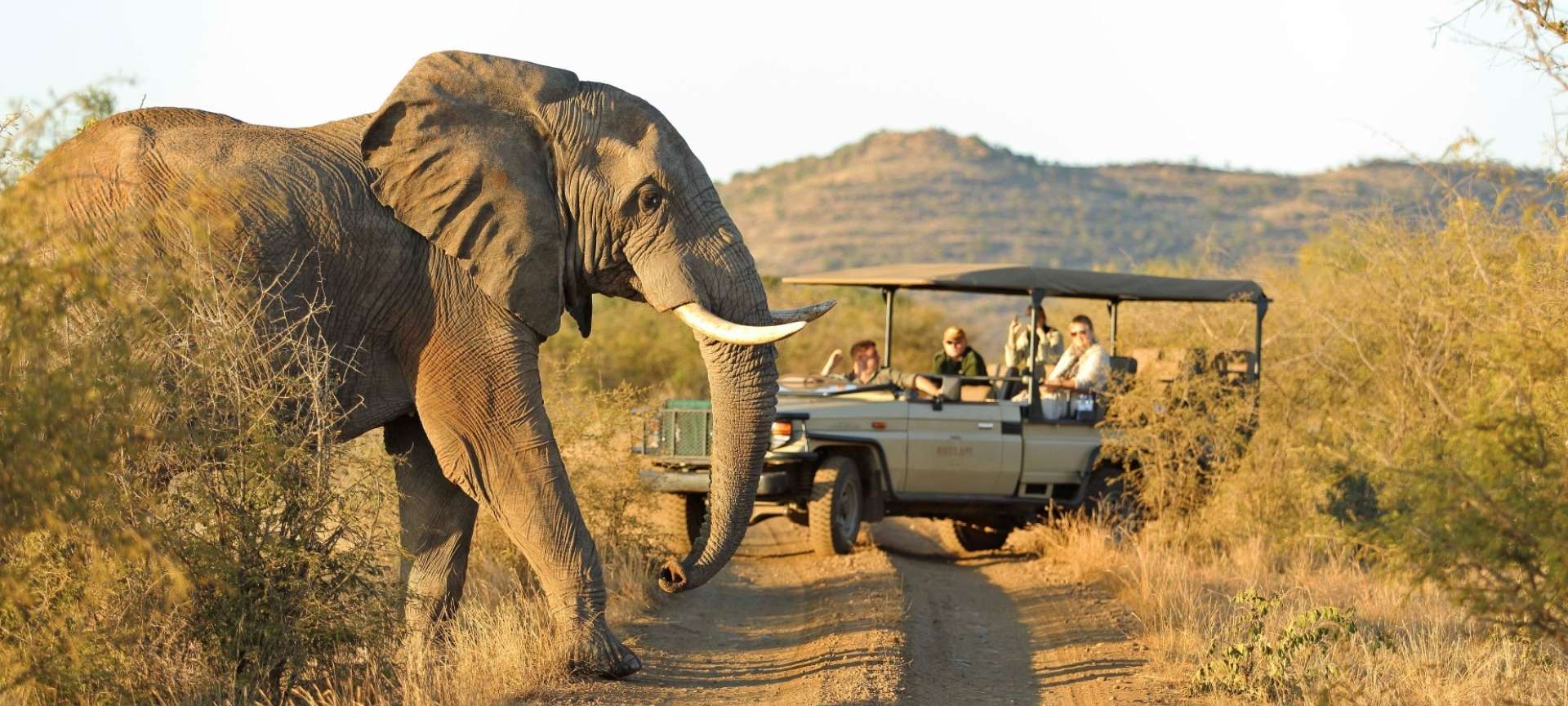
By organizing logistics in advance—flights, transfers, medical preparations, and insurance—you reduce stress and improve safety. Planning helps you understand which regions are malaria-prone, which lodges offer medical support, and what vaccinations are recommended.
Proper gear selection also enhances comfort. Packing layers for cold morning game drives and breathable fabrics for afternoon heat ensures you’re prepared for variable weather.
Maximizes Wildlife Viewing and Travel Value
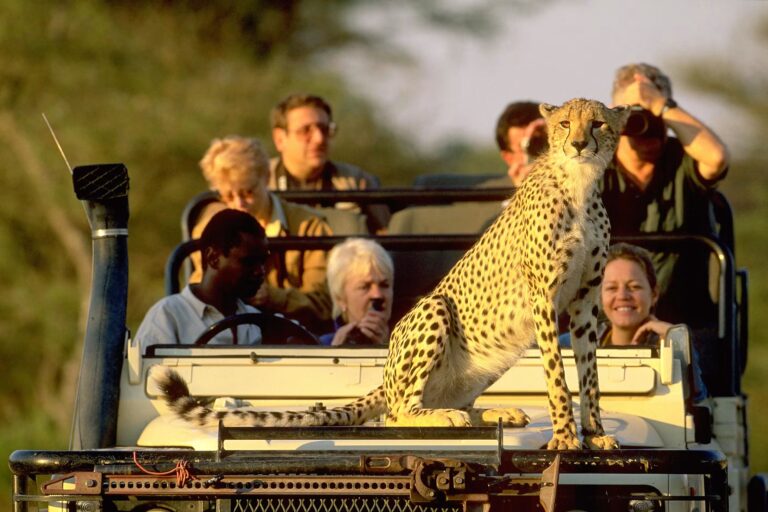
Strategic planning allows travelers to visit parks when animal activity is highest, or to book camps in exclusive areas with fewer vehicles. This not only results in better wildlife sightings but also elevates the quality of the experience. Researching specific parks also helps avoid disappointment—some species, like rhinos or cheetahs, may not be present in all regions.
Informed choices regarding park selection, accommodation, and timing significantly increase the value you get from your safari investment.
Use Cases: Real Problems Solved Through Safari Planning
Problem: Missed Wildlife Opportunities Due to Poor Timing
Solution: Planning your trip during peak viewing seasons or around specific wildlife events (like calving or migration) increases your chances of unforgettable sightings.
Problem: Overwhelming Choices and Booking Confusion
Solution: Using a combination of digital tools, tour reviews, and itinerary planners helps simplify the decision-making process and reduce stress.
Problem: Health Risks and Logistical Setbacks
Solution: Planning includes researching health requirements, obtaining travel insurance, arranging secure transport, and choosing areas with reliable medical services—all of which contribute to a safer trip.
Problem: Lack of Cultural Awareness
Solution: Learning about local customs, dress codes, and appropriate behavior through travel forums and guides helps avoid unintentional disrespect and fosters meaningful connections with local communities.
Frequently Asked Questions
Q1. How far in advance should I start planning a safari trip?
Ideally, begin planning 6 to 12 months, especially for peak seasons or high-demand locations like the Serengeti during the migration. This allows time to secure preferred camps, flights, and necessary vaccinations.
Q2. What should I pack for a safari?
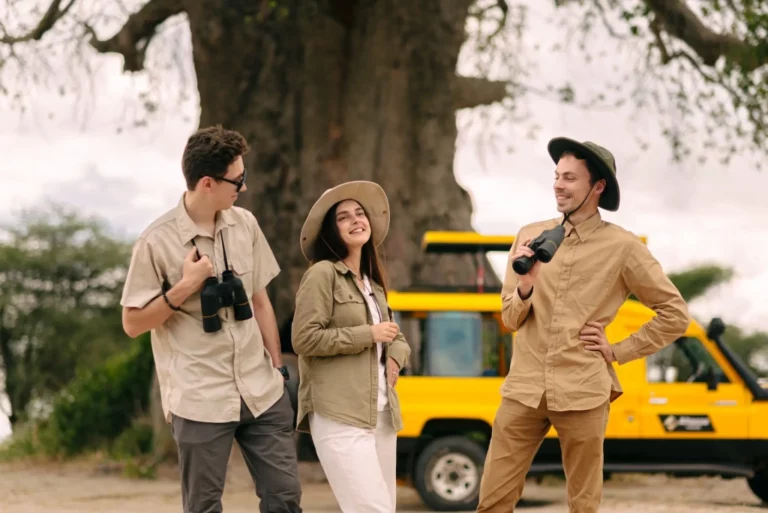
Pack lightweight, neutral-colored clothing, a wide-brimmed hat, binoculars, insect repellent, and a camera with a zoom lens. Planning a Safari Trip. Include layers for varying temperatures, sunscreen, and essential medications. Don’t forget a small daypack for game drives.
Q3. Can I plan a safari trip without using a travel agent?
Yes, it’s possible with sufficient research and the use of planning platforms like SafariBookings or TripAdvisor. However, for complex itineraries or first-time travelers, a reputable travel advisor can help navigate logistics and ensure a smoother experience.