Galapagos Holidays for Singles: A Complete Travel Guide for Solo Adventurers
Galapagos Holidays for Singles. Solo travel to the Galapagos Islands offers a rare opportunity to explore one of the world’s most pristine ecosystems at your own pace. With isolated beaches, rare wildlife, and structured tour options, the Galapagos is an ideal destination for independent travelers seeking both adventure and serenity. This guide dives deep into everything singles need to know—whether you’re a first-timer or a seasoned solo adventurer.
Why the Galapagos is Perfect for Solo Travelers
Safe and Welcoming Environment for Individuals
The Galapagos Islands are one of the safest destinations in South America for solo travelers. Crime rates are exceptionally low, and the local tourism industry is structured around group excursions and ecological preservation, providing a natural environment where singles can explore with peace of mind. With tight regulations protecting the islands, all visitors are accompanied by certified guides on tours, reducing risk and enhancing safety.
For single travelers, this setup offers an organic way to connect with others without needing to plan social encounters. Group tours often become hubs of shared interest, making it easier to meet like-minded people passionate about nature, conservation, and travel.
A Haven for Nature Lovers and Adventurers
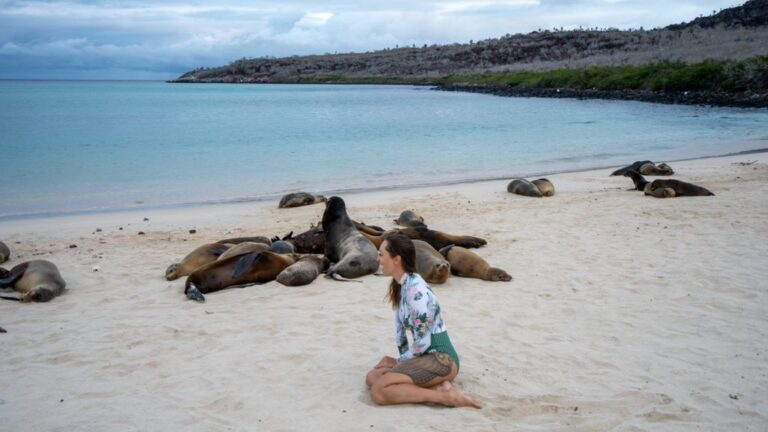
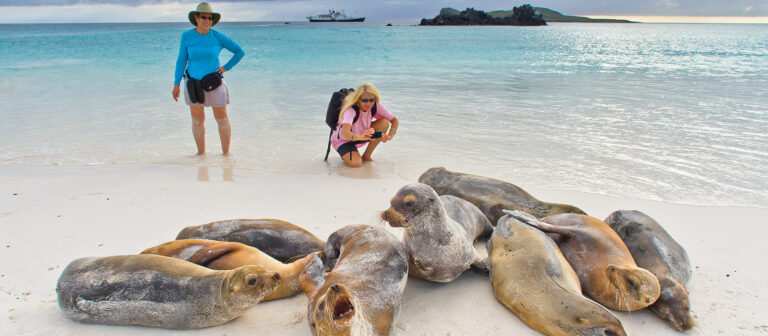
From snorkeling with sea lions to hiking volcanic trails, solo travelers are spoiled for choice in the Galapagos. Each island offers unique landscapes and endemic wildlife—giant tortoises, blue-footed boobies, marine iguanas—that can be explored on your own or with a group. These experiences allow for profound solitude or shared adventure, based entirely on your comfort level.
Whether you’re an introverted traveler seeking reflective time in nature or an extrovert wanting to bond with fellow explorers, the Galapagos offers the flexibility to tailor your experience.
Top Destinations for Solo Explorers in the Galapagos
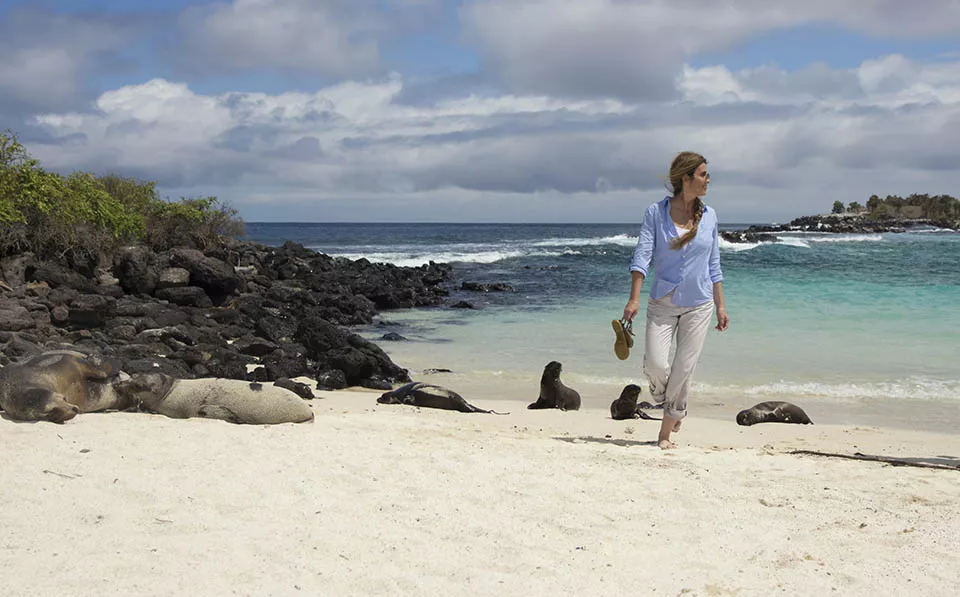
Santa Cruz Island: Gateway for Independent Travelers
Santa Cruz is the most developed island in the archipelago, making it a top base for solo travelers. Puerto Ayora, the island’s main town, offers hostels, guesthouses, cafés, and waterfront activities ideal for singles. Charles Darwin Research Station is located here, offering opportunities to learn about conservation while joining guided tours.
Several nearby beaches, such as Tortuga Bay, are perfect for peaceful solo walks or spontaneous wildlife encounters. Day trips to nearby islands are easy to book from Santa Cruz, ensuring flexible itineraries for solo travelers.
San Cristóbal Island: A Mix of Culture and Adventure
San Cristóbal offers a more relaxed pace but is equally rich in wildlife and natural beauty. It is home to the Galapagos Interpretation Center, which helps travelers understand the ecological significance of the islands. The laid-back town of Puerto Baquerizo Moreno is smaller than Puerto Ayora but equally friendly and accessible for singles.
Kayaking and snorkeling at Playa Mann or hiking to Cerro Tijeretas can be done solo or with small groups, offering a good balance of independence and safety.
Isabela Island: For Off-the-Beaten-Path Solitude
Isabela is less commercialized, making it ideal for solo travelers who prefer serenity and seclusion. Vast beaches and untouched nature trails allow for immersive, undisturbed exploration. It’s the largest island, yet it has a small population, which means fewer crowds and more time for personal reflection.
Solo travelers can explore the Sierra Negra volcano, spot flamingos in wetlands, or snorkel with sea turtles without large tourist groups, making this a deeply personal experience.
Real-World Travel Examples and Use Cases
1. Single-Day Island Hopping Tours from Santa Cruz
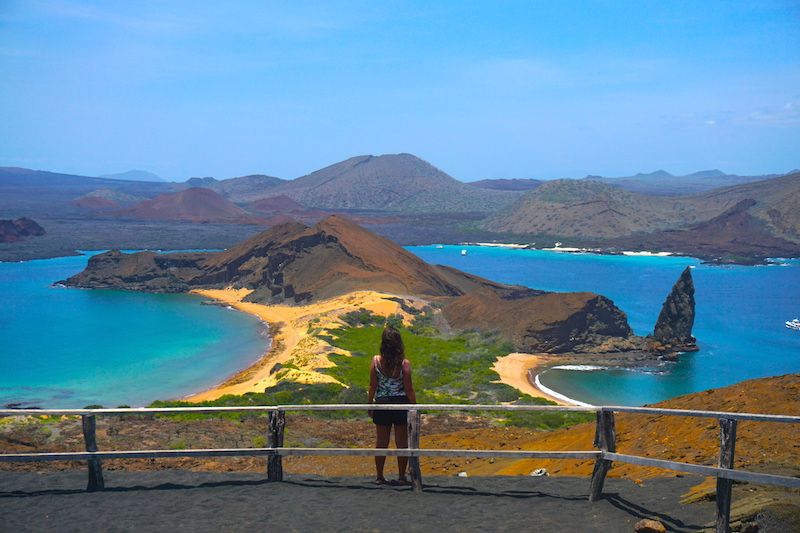
These tours are a favorite among solo travelers because they offer structure, safety, and easy socializing. Destinations like North Seymour or Bartolomé Island are included, with full-day activities such as snorkeling, bird watching, and hiking.
Travelers benefit by joining small guided groups that eliminate the hassle of logistics while offering opportunities to meet other travelers. Solo explorers often find themselves forming temporary communities within these tours.
2. Wildlife Photography Retreats for Individuals
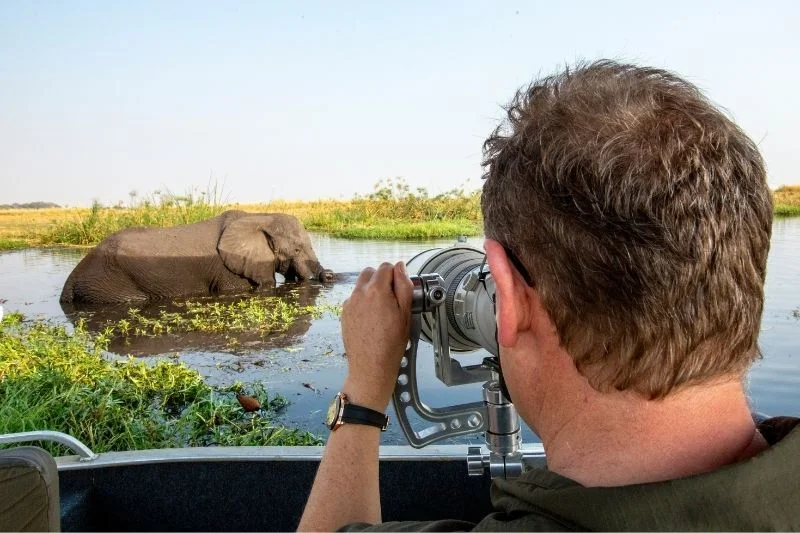
A few eco-tourism providers offer wildlife photography retreats specifically catering to solo travelers. These multi-day tours focus on learning to photograph wildlife ethically, with professional guides and mentors.
These retreats offer a dual benefit: artistic enrichment and deep immersion in nature. They often attract independent-minded travelers who value solitary focus with occasional collaboration.
3. Yoga and Wellness Escapes on Isabela
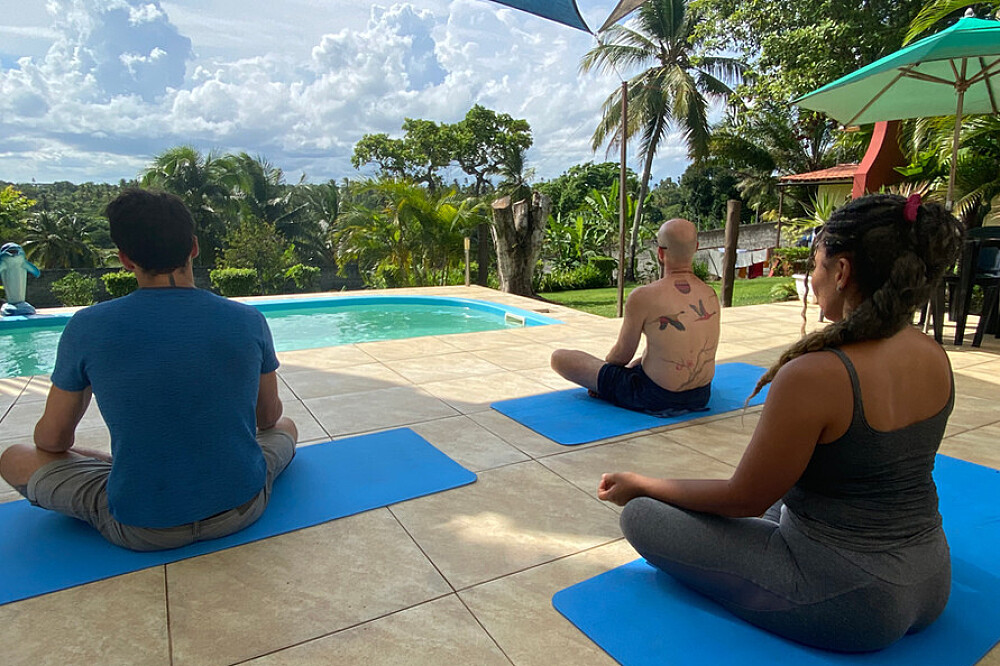
Some eco-lodges on Isabela offer solo wellness packages that include yoga classes, guided meditations, and nature walks. Galapagos Holidays for Singles. These are designed to help individuals reconnect with themselves and the natural world.
The structured yet peaceful setting is perfect for solo travelers needing rest, personal growth, and minimal digital distraction. No need to coordinate with others—these retreats are made for individual guests.
Benefits of Traveling Solo to the Galapagos Using Modern Technology
Enhanced Navigation and Language Support
Thanks to GPS-enabled mobile apps like Maps.me and Google Translate, solo travel in the Galapagos is easier than ever. Offline maps help you navigate towns and trails without mobile data, while translation tools help bridge language gaps when engaging with locals.
Travelers can download important content in advance, reducing stress and empowering more independence while navigating new environments.
Mobile Booking for Flexibility and Control
Apps such as GetYourGuide or local Ecuadorian tour operators’ platforms allow solo travelers to customize their experience without relying on agencies. Galapagos Holidays for Singles. Booking last-minute day trips or changing accommodations becomes simple and seamless, empowering solo adventurers to adapt their travel plans based on mood or weather conditions.
This level of flexibility is especially valuable when traveling alone, where spontaneous choices often define the journey.
Practical Use Cases and Problem-Solving Advantages
Building Confidence Through Independent Exploration
Solo trips to the Galapagos build resilience, problem-solving skills, and self-confidence. Navigating a foreign country, managing your itinerary, and making decisions on your own fosters a sense of empowerment.
For example, a solo traveler managing to snorkel with sea turtles or hike a volcano trail alone often returns home with renewed self-assurance and memorable personal growth experiences.
Fostering Deeper Connection with Nature
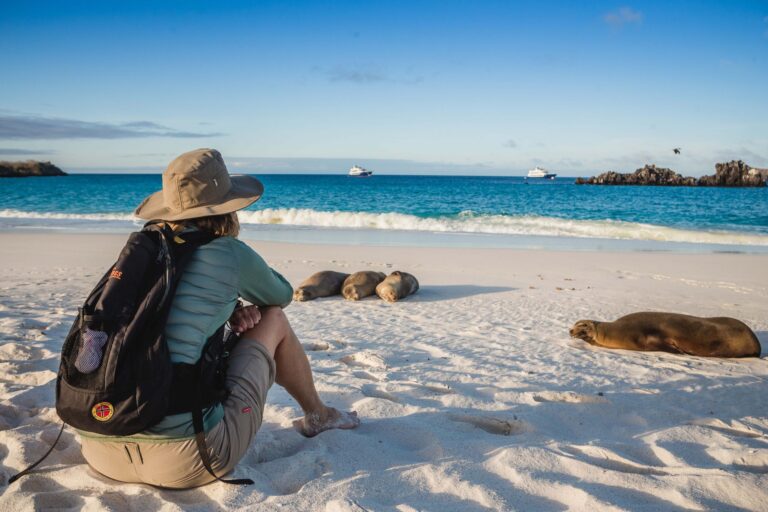
Without the distraction of companions, solo travelers often report a deeper, more reflective experience. Being alone with wildlife and landscapes like lava fields or quiet beaches encourages mindfulness and appreciation.
Such deep engagement is often therapeutic, providing mental clarity, stress relief, and a sense of perspective that is hard to find in group settings.
Frequently Asked Questions
Q1. Is the Galapagos safe for solo travelers?
Yes, the Galapagos Islands are considered one of the safest destinations in South America. The small population, eco-tourism infrastructure, and strict conservation policies ensure a low-crime environment. Galapagos Holidays for Singles. Certified guides accompany visitors on most tours, which adds another layer of safety for solo explorers.
Q2. What’s the best time of year for singles to visit the Galapagos?
The islands are a year-round destination. However, for singles, the dry season (June to December) often sees more organized tours and international travelers, offering better chances to meet others. The warm season (January to May) is great for snorkeling and offers quieter beaches, ideal for those seeking solitude.
Q3. Do I need to join a group tour if I’m traveling solo?
While it’s not required, many activities—especially those in protected marine or national park zones—must be done with a certified guide. This makes joining a tour both a practical and enriching option. Fortunately, these tours often consist of small, mixed groups where singles can participate comfortably.