Best Safari Tour Operators for Authentic Wildlife Experiences in 202
Best Safari Tour Operators. Embarking on a safari is one of the most unforgettable travel experiences — offering intimate encounters with wild animals, breathtaking landscapes, and rich cultural traditions. However, choosing the best safari tour operator can make all the difference between a mediocre trip and a truly life-changing adventure. This article explores what makes a tour operator stand out, highlights industry leaders, and outlines real-world benefits and use cases of working with expert safari providers.
What Defines a Top Safari Tour Operator?
A top safari tour operator offers more than just transportation and accommodation. They provide a seamless experience from the moment you land until the final game drive. These companies employ expert guides, work with exclusive lodges, ensure safety and comfort, and emphasize responsible tourism. Their intimate knowledge of local ecosystems, wildlife behavior, and conservation efforts allows travelers to engage deeply with nature while minimizing impact.
Safari tour operators also tailor experiences to suit individual traveler goals — whether it’s a honeymoon, family trip, photography expedition, or solo journey. Their strength lies in logistics, access, and storytelling, ensuring guests leave with memories and insights that last a lifetime.
Benefits of Using Professional Safari Tour Operators
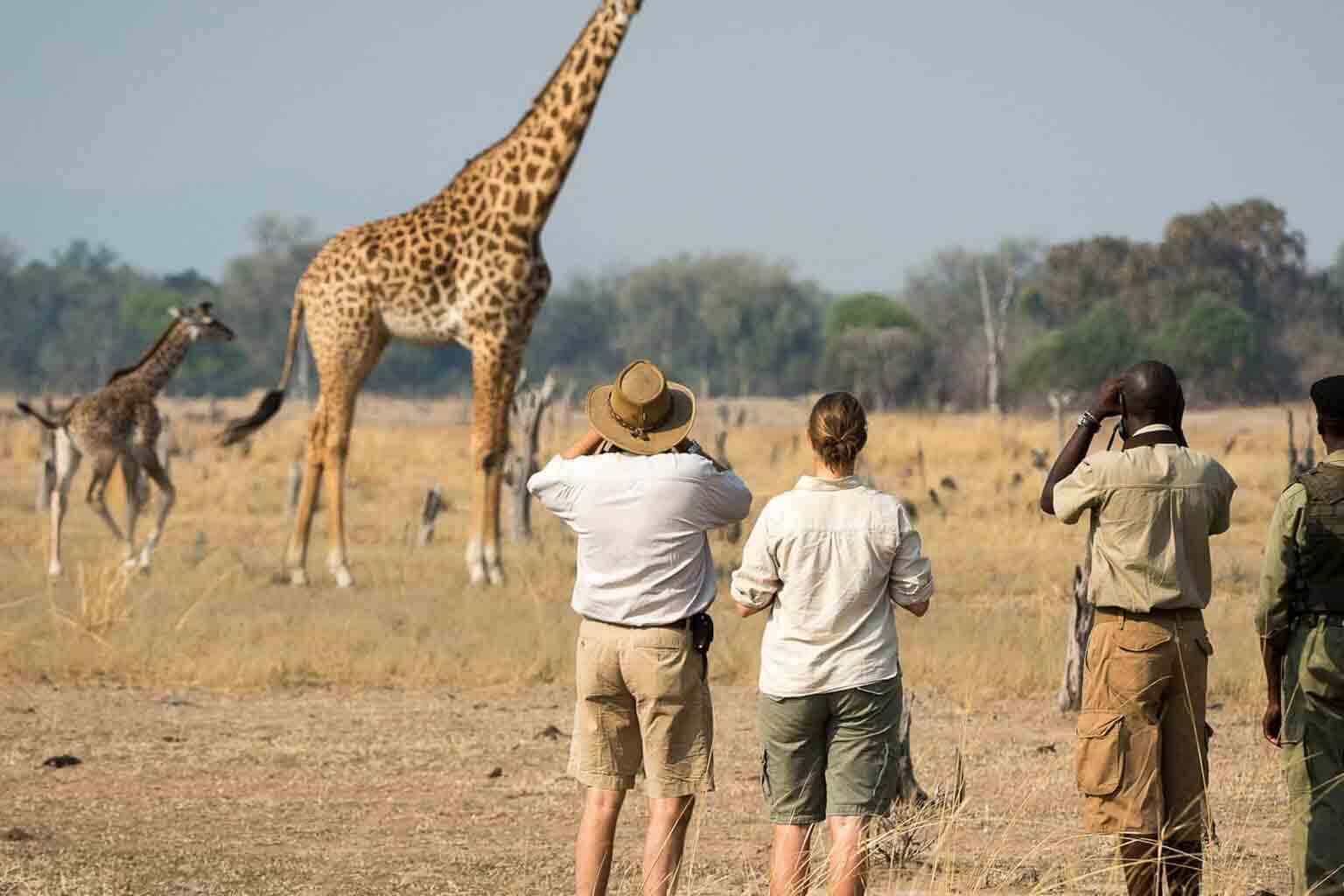
Using a trusted safari tour operator opens the door to advantages you simply cannot get with DIY or budget tours. From personal safety to ecological impact, these companies streamline every aspect of the journey for an optimal experience.
Streamlined Itinerary Planning
Professional tour operators take the stress out of planning. From airport transfers and park permits to meals and guided excursions, everything is coordinated in advance. This results in a smoother, worry-free experience, especially in remote destinations with limited connectivity or infrastructure.
They also provide insider knowledge about migration seasons, best times to visit specific parks, and which regions to explore based on traveler interests.
Unmatched Wildlife Expertise
Top safari guides are trained in animal behavior, conservation practices, and cultural history. Their insights bring the safari to life, helping guests understand the ecological connections and cultural significance of the regions visited.
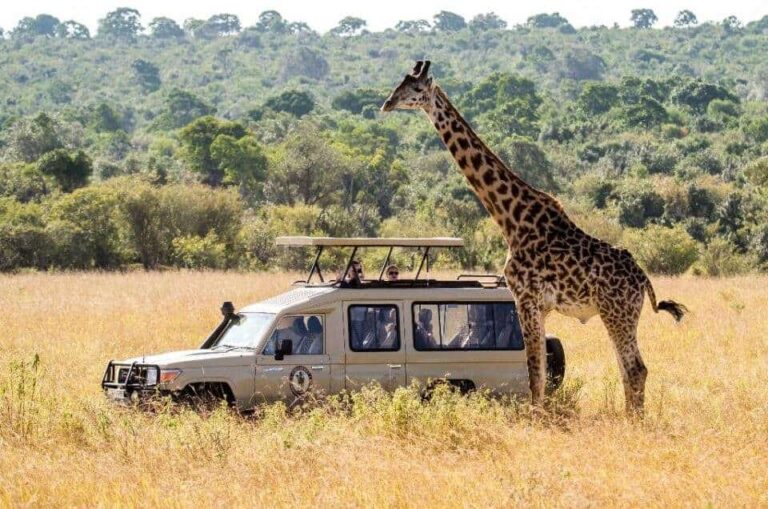
These operators also track wildlife movements in real-time and know when and where to find elusive species — whether it’s a leopard lounging in a tree or elephants gathering at a waterhole.
Enhanced Safety and Comfort
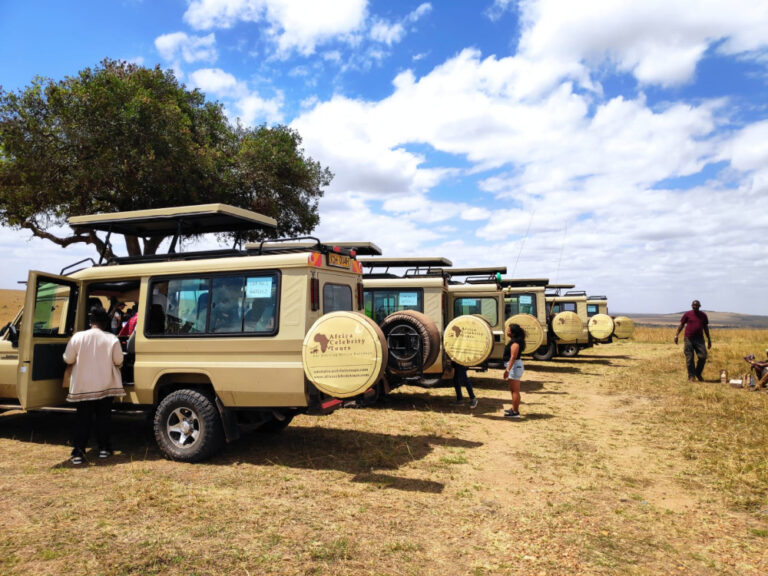
Safari environments, while stunning, can also be unpredictable. Tour operators implement strict safety protocols, maintain well-serviced vehicles, and provide high-quality gear and accommodation. Guests can enjoy adventure without compromising their well-being.
Medical evacuation plans, 24/7 communication, and trained first aid responders are also part of the package with most reputable operators.
Leading Safari Tour Operators in 2025
Here are some of the best-rated and most respected safari tour operators offering authentic and impactful wildlife journeys across Africa and beyond.
1. Micato Safaris
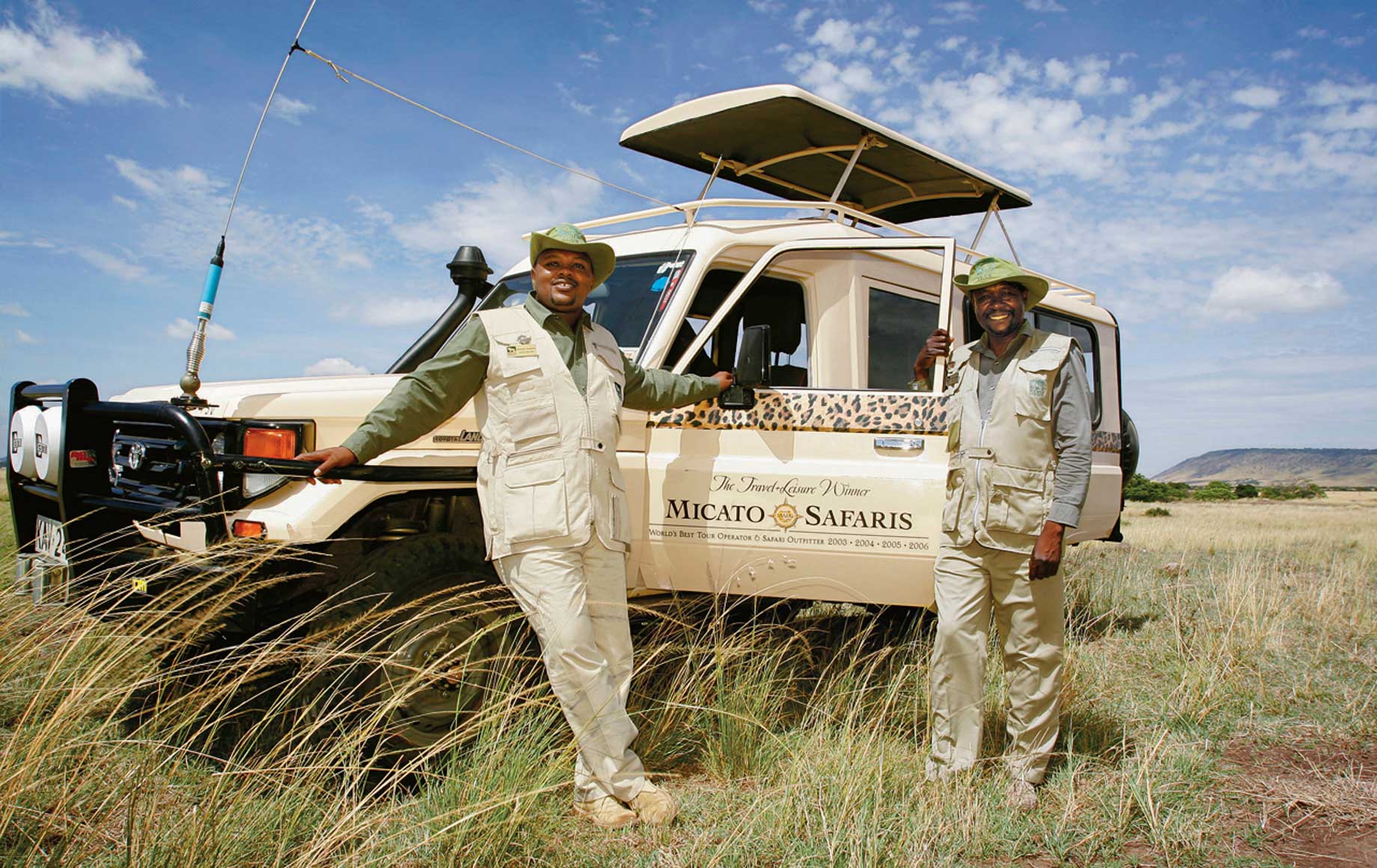
Micato Safaris is a family-owned luxury tour operator with deep roots in East Africa. They’ve earned accolades for their seamless service, expert guides, and strong commitment to community development.
Micato offers customized private safaris as well as group journeys through Kenya, Tanzania, and Southern Africa. What sets them apart is their Travel with a Purpose initiative — for every safari sold, they fund the education of a local child through their AmericaShare program.
Travelers benefit from deeply immersive experiences, cultural visits, and luxurious lodges, all while contributing to social impact.
2. Natural Habitat Adventures
Natural Habitat Adventures, an official partner of the World Wildlife Fund (WWF), specializes in conservation-focused safaris with small group sizes. They operate tours across Botswana, Namibia, Zimbabwe, and more.
Their guides are naturalists who interpret wildlife behavior and habitats in extraordinary detail. Their carbon-neutral operations, zero-waste camps, and support for local communities make them an eco-conscious traveler’s top choice.
They also offer photographic safaris and remote experiences like canoeing through the Okavango Delta or tracking rhinos on foot.
3. Nomad Tanzania
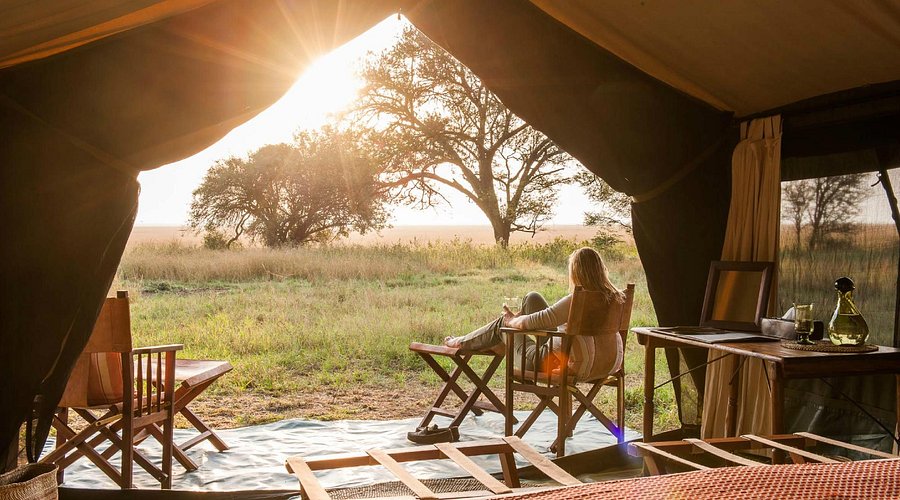
Nomad Tanzania is one of the pioneers of sustainable safari tourism in East Africa. They own and operate their collection of small camps in lesser-visited areas of Tanzania, such as the Mahale Mountains and Katavi National Park.
Their focus on off-the-beaten-path travel ensures crowd-free encounters and a genuine sense of wilderness. Nomad employs local staff and partners with conservation groups to protect endangered species like chimpanzees and wild dogs.
This operator is ideal for adventurous travelers seeking unique wildlife and cultural immersion.
4. African Bush Camps
African Bush Camps operates a series of eco-luxury lodges across Zimbabwe, Zambia, and Botswana. Their safaris combine comfort with community outreach, delivering both responsible travel and high-end experiences.
Each of their camps is designed to reflect the natural surroundings while minimizing environmental impact. African Bush Camps Foundation supports education, healthcare, and conservation initiatives in local communities.
Their expertly guided game drives, walking safaris, and river cruises offer an immersive look into the ecosystems of Southern Africa.
5. Wild Frontiers
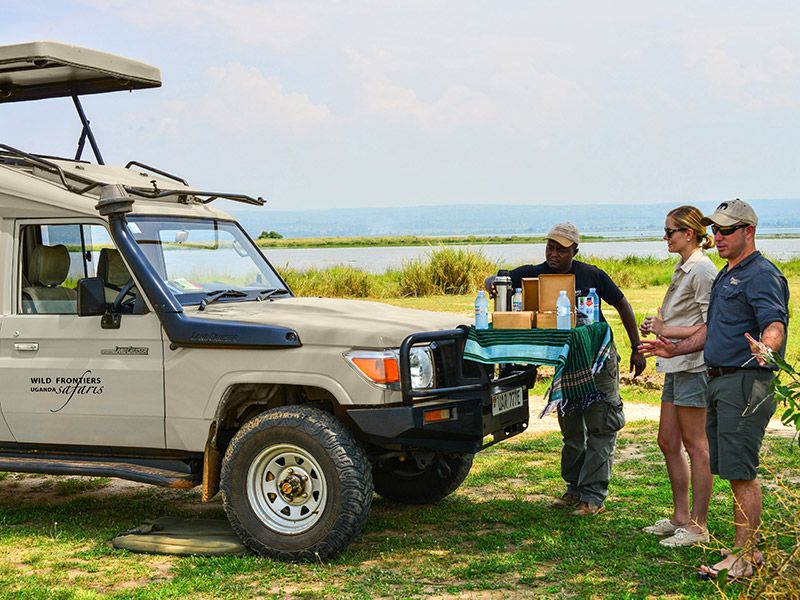
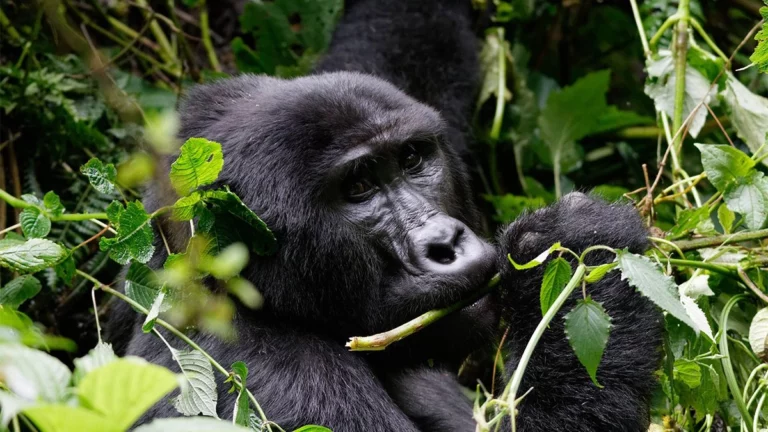
Wild Frontiers is known for its flexible, tailor-made safaris in Uganda, Rwanda, Kenya, and Tanzania. They specialize in gorilla trekking, big game safaris, and cultural expeditions.
What makes Wild Frontiers stand out is its ability to combine adventure and education. They offer access to remote regions, work with local guides, and encourage responsible wildlife viewing practices.
Guests can trek through Bwindi Impenetrable Forest, witness the Great Migration, or engage in traditional village life — all with logistical ease and personalized service.
Use Cases: Why This Keyword and Solution Are Valuable in Real Life
Understanding the practical application of working with top safari operators helps highlight their relevance for different types of travelers.
Planning for First-Time Safari Travelers
First-time visitors often underestimate the complexity of organizing a safari. From visa requirements and park fees to health precautions and language barriers, there’s a lot to manage. Reputable operators handle these concerns, offer cultural context, and provide travelers with the confidence to explore safely and comfortably.
This makes them especially helpful for solo travelers, families with children, or seniors wanting expert care in remote locations.
Ideal for Photographers and Conservationists
Safari tour operators provide photographers with the flexibility to capture wildlife during peak moments, often in private conservancies where vehicle limits ensure unobstructed views. Operators also educate guests about ethical wildlife interaction, crucial for conservation photography.
Conservationists benefit from behind-the-scenes access to wildlife tracking efforts, anti-poaching units, and ecological restoration sites — insights that would be inaccessible without guided support.
Cultural Enrichment Through Local Engagement
The best operators incorporate meaningful cultural experiences — from Maasai village visits to traditional cooking classes. These immersive activities allow guests to appreciate Africa beyond its wildlife, fostering mutual respect and global understanding.
This elevates a safari into a well-rounded journey that combines adventure with cultural depth.
Advantages of Safari Operators Embracing Technology
Modern safari tour operators integrate technology to elevate the guest experience and streamline operations. These innovations make safaris more accessible, safe, and enriching.
Real-Time Wildlife Tracking
Many operators now use GPS and radio systems to track animal movements in real time. This allows guides to lead guests directly to significant wildlife activity, improving the odds of rare sightings and reducing unnecessary driving through the bush.
It also contributes to research and conservation by helping scientists monitor migration patterns, poaching threats, and ecosystem changes.
Mobile App Integration and Digital Itineraries
Operators often provide personalized digital itineraries accessible via mobile apps. These apps may include park maps, species identification guides, weather updates, packing checklists, and emergency contacts.
Guests stay informed and engaged throughout their journey, enhancing both safety and enjoyment.
Eco-Friendly Transportation Solutions
Some safari operators have begun introducing electric safari vehicles and solar-powered camps. These advancements reduce carbon footprints and noise pollution, allowing for more sustainable and less intrusive wildlife viewing.
They also signal a shift toward more responsible tourism that aligns with global climate goals.
Frequently Asked Questions
Q1. What is the difference between a safari tour operator and a travel agent?
A safari tour operator runs the tours directly, employing their guides, managing vehicles and accommodations, and maintaining control over the safari experience. A travel agent acts as an intermediary and sells packages created by operators.
Q2. Are all safari tour operators eco-friendly?
Not all. While many leading operators emphasize sustainability, it’s important to research their conservation initiatives, community partnerships, and environmental practices. Look for certifications or affiliations with reputable conservation organizations.
Q3. How far in advance should I book with a safari operator?
For high-season travel (June–October), booking 9–12 months in advance is ideal. However, reputable operators may have last-minute availability during shoulder seasons. Booking early also helps secure limited permits for activities like gorilla trekking.