Best Gorilla Tours in Africa: Top Destinations, Experiences, and Eco Travel Insights
Gorilla tours are among the most thrilling and transformative wildlife experiences available today. For many travelers, trekking through dense African rainforests in search of endangered mountain gorillas is a once-in-a-lifetime opportunity. These tours not only bring adventurers face-to-face with one of the world’s most majestic primates, but also play a vital role in conservation and local community empowerment.
In 2025, gorilla trekking continues to attract nature lovers, photographers, eco-tourists, and adventurers from around the world—especially in East and Central Africa where mountain and lowland gorillas live in protected parks. This article explores the top destinations, benefits of technology in these experiences, real-world examples of the best tours, and practical use cases that show the importance of gorilla tourism today.
Understanding Gorilla Tours: What They Are and Where They Happen
A gorilla tour is a guided trekking expedition that allows visitors to observe gorillas in their natural habitat, typically in remote, mountainous forests. These treks are strictly regulated to ensure minimal disturbance to the gorillas, which are critically endangered in some regions.
Most gorilla tours are concentrated in three African countries:
-
Uganda – Home to the famous Bwindi Impenetrable National Park and Mgahinga Gorilla National Park.
-
Rwanda – Known for Volcanoes National Park, which is accessible and offers luxury and conservation-focused experiences.
-
Democratic Republic of Congo (DRC) – Offers the least-touristed but wildest experience in Virunga National Park.
Treks vary in length and intensity depending on the location and gorilla family you’re assigned to visit. Permits are limited and must be secured in advance, with a portion of fees directly supporting conservation.
How Gorilla Trekking Works
Participants are grouped into small teams (usually no more than 8 people), accompanied by trained guides and armed rangers for safety. The trekking experience can range from 1 to 6 hours, depending on how far into the forest the gorilla families are located that day.
Once found, visitors are allowed to spend exactly one hour with the gorillas. Photography is allowed (without flash), and guests must maintain a respectful distance. The goal is to observe gorilla behavior in a quiet, non-invasive manner.
Conservation and Community Impact
Gorilla tourism provides critical revenue for conservation programs, anti-poaching initiatives, and healthcare/education support in nearby villages. It’s one of the best examples of how sustainable tourism can protect wildlife and empower communities.
Real-World Examples of the Best Gorilla Tours
1. Volcanoes Safaris – Rwanda and Uganda
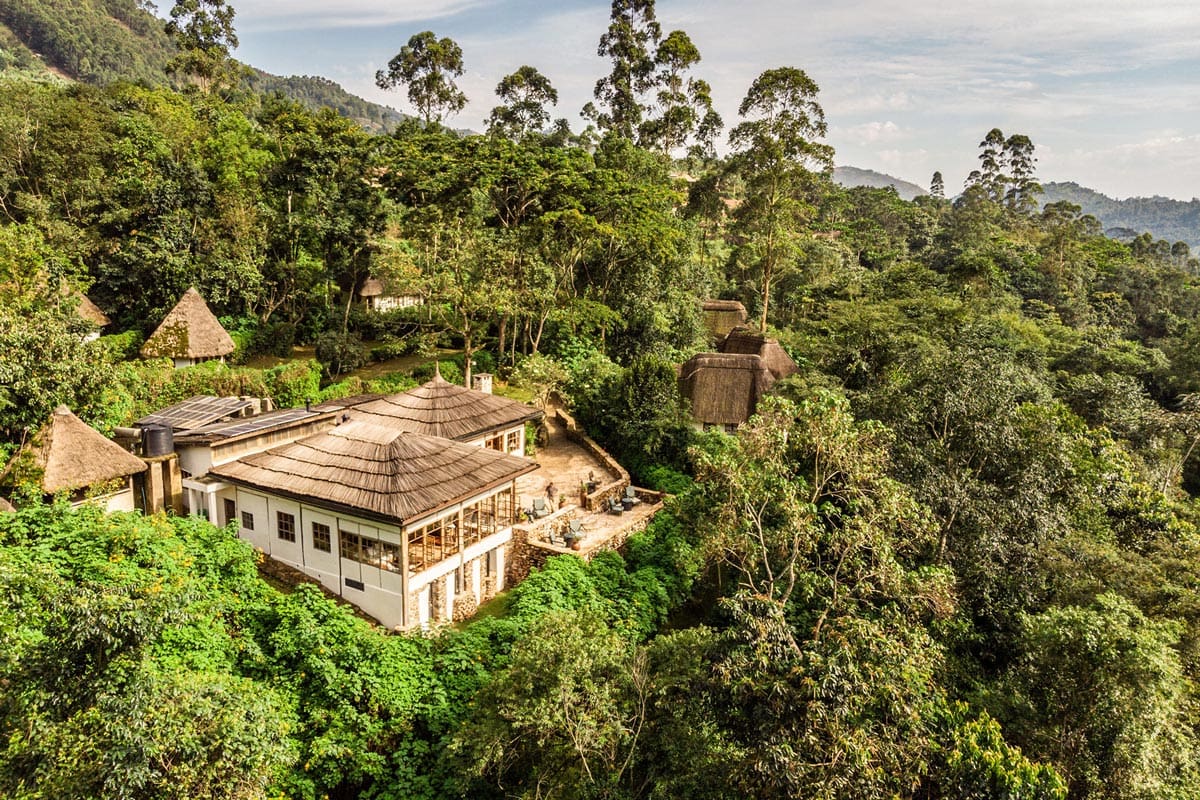
Volcanoes Safaris is a pioneer in gorilla trekking and sustainable tourism in East Africa. Their gorilla tours in Rwanda’s Volcanoes National Park and Uganda’s Bwindi offer immersive, eco-conscious experiences with luxury accommodation. Guests stay in beautifully designed lodges that blend into the landscape and participate in conservation education and local cultural activities.
What sets Volcanoes Safaris apart is their integration of luxury with impact. They support reforestation, gorilla conservation, and community development projects, making each trip not just a trek but a contribution to a greater cause.
Relevance: Ideal for eco-luxury travelers who want meaningful, high-end wildlife encounters with measurable conservation impact.
2. Gorilla Trek Africa – Uganda, Rwanda, DRC
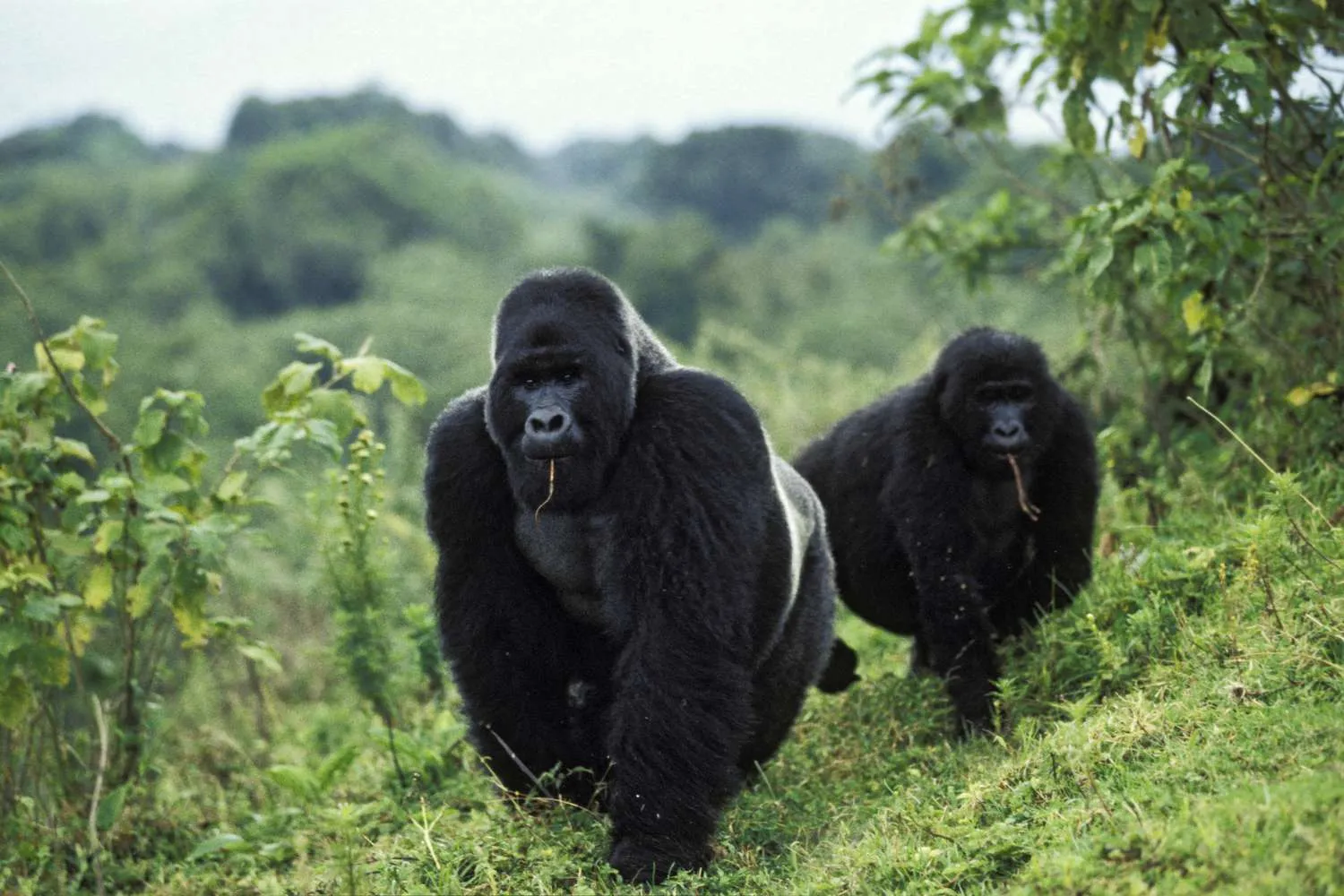
Gorilla Trek Africa specializes in custom and small-group gorilla tours across Uganda, Rwanda, and the Democratic Republic of Congo. Their guides are known for deep local knowledge, wildlife expertise, and a strong safety record.
They offer both budget and mid-range options, making gorilla trekking more accessible to a broader range of travelers. Their Uganda tours often combine gorilla trekking in Bwindi with visits to Queen Elizabeth National Park or Lake Bunyonyi.
Relevance: Great for travelers looking for flexible and affordable options without compromising on the authenticity of the experience.
3. African Adventure Travellers – Uganda
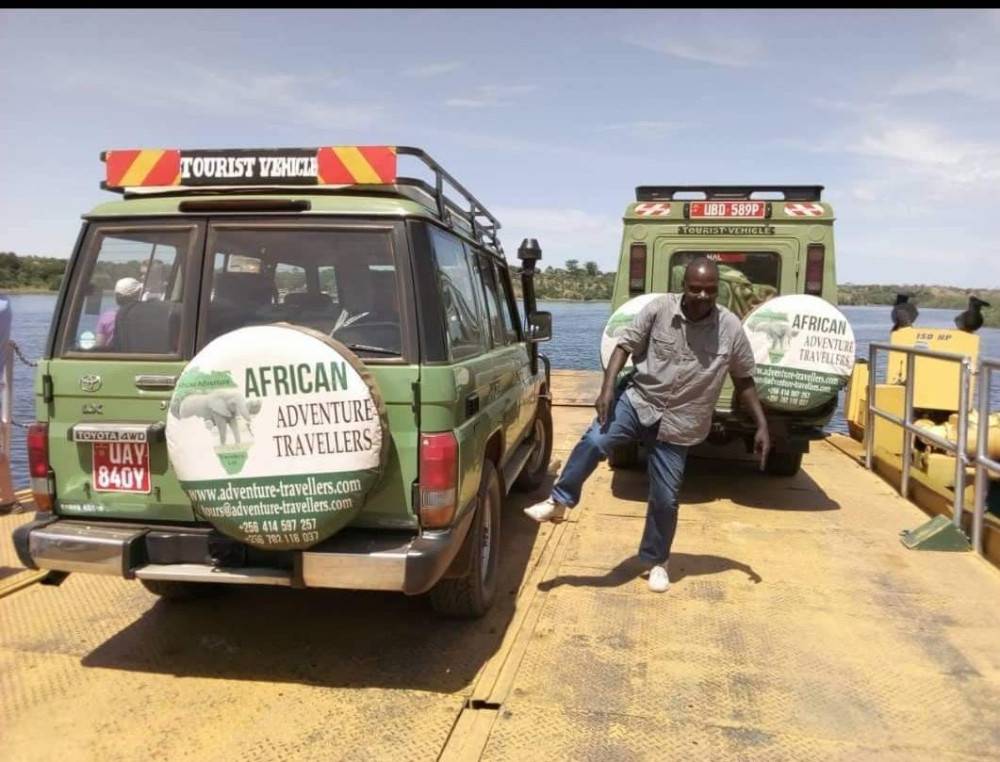
This Uganda-based company offers guided gorilla trekking experiences primarily in Bwindi Impenetrable Forest and Mgahinga. They emphasize local guiding, cultural experiences with the Batwa community, and multi-park packages that include chimpanzee trekking and savannah game drives.
Their itineraries often include stays in community-run lodges and opportunities to visit nearby schools or women’s groups, making the experience more socially enriching.
Relevance: Best for travelers interested in authentic, community-integrated travel that highlights the full ecological and cultural spectrum of Uganda.
4. Primate Safari Experiences – Rwanda and Uganda
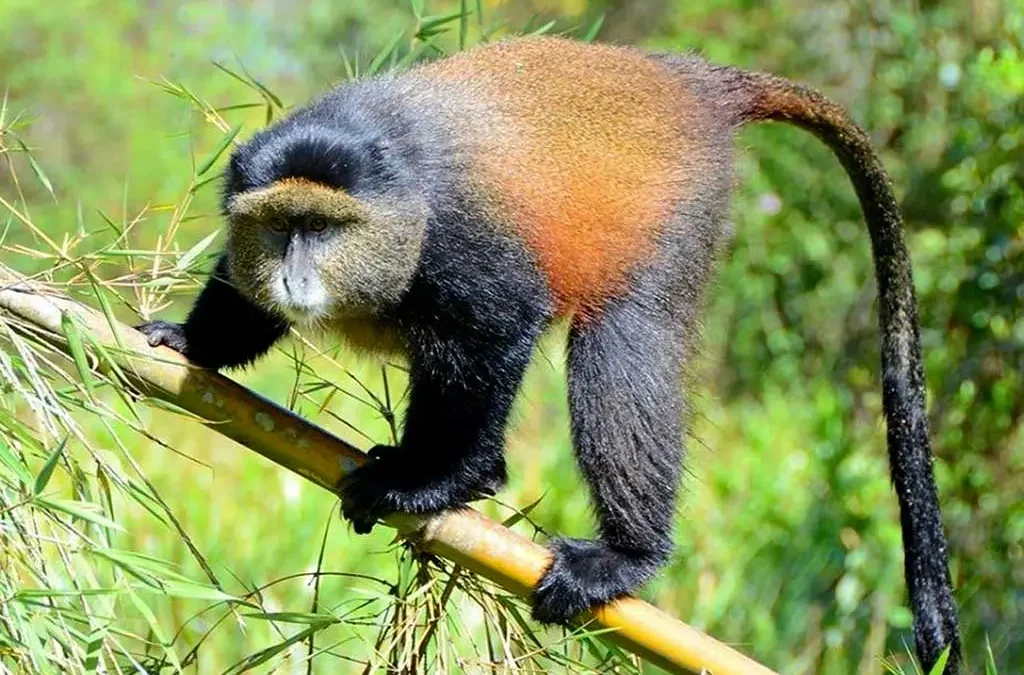
Primate Safari Experiences offers personalized gorilla and chimpanzee tracking adventures in Rwanda and Uganda. Their packages focus on delivering memorable wildlife encounters with flexible itineraries tailored to solo travelers, couples, or small groups.
They also incorporate volcano hiking, golden monkey tracking, and visits to Dian Fossey’s research site into their gorilla packages, giving guests a deeper appreciation of primate conservation.
Relevance: Perfect for nature lovers wanting to deepen their primate knowledge and explore beyond gorilla trekking.
5. Virunga National Park Tours – Democratic Republic of Congo
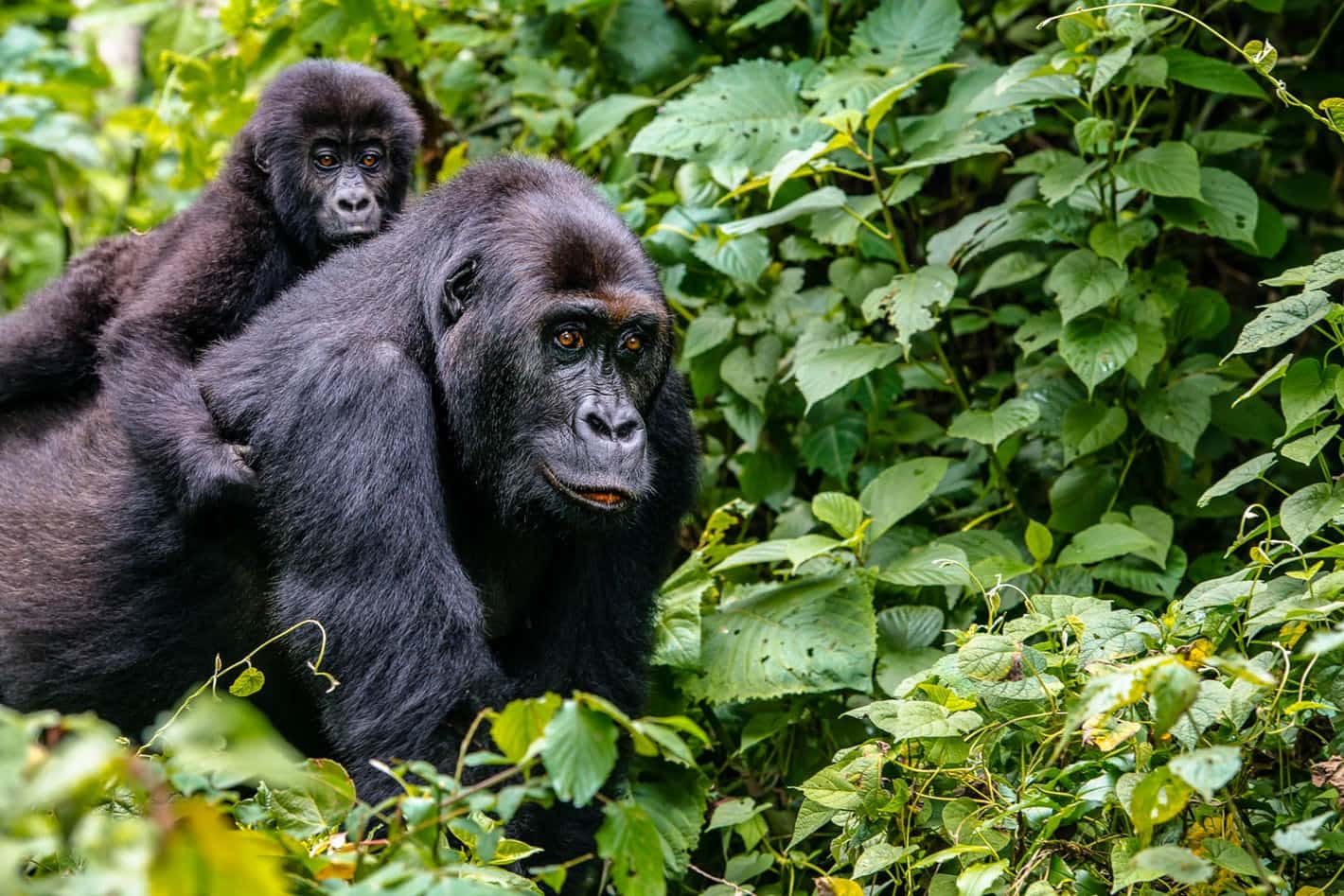
Virunga National Park, Africa’s oldest national park, offers the most remote and rugged gorilla trekking experience. Managed by the Congolese Institute for Nature Conservation (ICCN), tours in Virunga include guided treks to mountain gorilla families and, uniquely, the chance to climb Mount Nyiragongo—an active volcano with a lava lake.
Though security concerns have occasionally affected accessibility, when open, Virunga offers a raw, unforgettable adventure unmatched by more commercialized alternatives.
Relevance: Best suited for adventurous travelers seeking off-the-grid experiences and who understand the importance of supporting post-conflict ecotourism.
How Technology Enhances Gorilla Tour Experiences
Technology now plays a vital role in improving gorilla trekking—both for travelers and conservationists.
Digital Permits and Booking Platforms
Online platforms have simplified the formerly cumbersome permit process. Tourists can now reserve treks digitally, reducing booking errors and improving transparency. Operators also use software to optimize group formations and ensure balanced visitor distribution across gorilla families.
GPS and Tracking Systems
Conservation teams use GPS collars and camera traps to monitor gorilla movements. While tourists don’t directly interact with this tech, it helps guides locate families more accurately, leading to shorter, safer treks.
Some guides use GPS-enabled tablets to show guests real-time mapping of gorilla territories, enhancing the educational aspect of the journey.
Eco-Lodge Smart Management
Many eco-lodges near gorilla parks use smart energy systems (solar, water harvesting, digital booking), reducing their carbon footprint. Some even offer virtual briefings or wildlife photography tutorials via in-room tablets.
Drones and Remote Monitoring
In protected areas where poaching remains a threat, drones are used for surveillance and real-time alerts. This ensures the gorillas and trekkers remain safe while also collecting data for conservation studies.
Practical Benefits of Gorilla Tours for Travelers and Wildlife
Enriching Wildlife Encounters
There are few experiences in the world as emotional and humbling as sitting quietly among gorillas in their natural habitat. Watching their human-like behavior—parenting, playing, grooming—fosters a deep connection with nature and reinforces the importance of wildlife conservation.
Personal Growth and Perspective
Gorilla tours often involve challenging hikes, remote locations, and cultural immersion. This combination encourages personal growth, resilience, and a renewed appreciation for simplicity and nature.
Supporting Conservation with Every Step
A large percentage of gorilla permit fees go directly into conservation initiatives and local community projects. Travelers become active participants in protecting an endangered species and uplifting rural economies.
Safe, Well-Guided Adventures
Despite being in remote regions, gorilla tours are well-regulated and supported by trained rangers. Tourists are briefed on behavior, safety protocols, and gorilla etiquette to ensure a respectful, secure experience for all.
Use Cases: Real Problems These Tours Help Solve
Preventing Extinction of Gorillas
Mountain gorillas were once critically endangered, with fewer than 700 individuals. Thanks to responsible tourism, their numbers have risen to over 1,000. Gorilla tours provide direct funding and incentives for local communities to protect, rather than exploit, wildlife habitats.
Creating Sustainable Jobs
From porters and guides to lodge staff and craft vendors, gorilla tourism creates thousands of sustainable jobs in rural areas. This reduces reliance on poaching or illegal logging, creating a positive economic cycle.
Educating Global Citizens
Many tourists return home as advocates for conservation, inspired by their experience. They share stories, donate to causes, or even support eco-education initiatives. In this way, gorilla tourism extends its impact far beyond the forest.
Frequently Asked Questions
Q1. How physically demanding is a gorilla trek?
Gorilla trekking can be moderately to highly demanding, depending on the terrain and gorilla location. Treks may involve steep climbs, muddy trails, and long walks, so good physical fitness is helpful. However, porters and assistance are available.
Q2. Is it safe to go gorilla trekking in Africa?
Yes, gorilla trekking is generally very safe. All treks are accompanied by trained guides and armed rangers.
Q3. Why is the cost of a gorilla permit so high?
The cost reflects the rarity of the experience and the need to limit group size to protect the gorillas. Permit fees go directly into conservation efforts, ranger salaries, veterinary services, and community development programs that support long-term wildlife protection.