African Safari Trips for Families: A Complete Guide to Unforgettable Wildlife Adventures
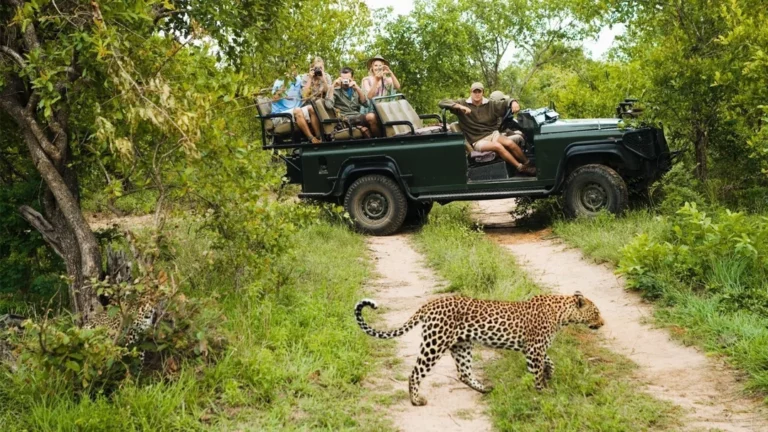
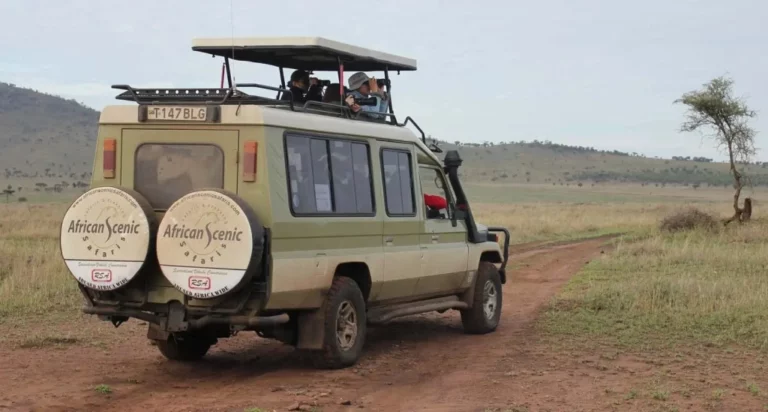
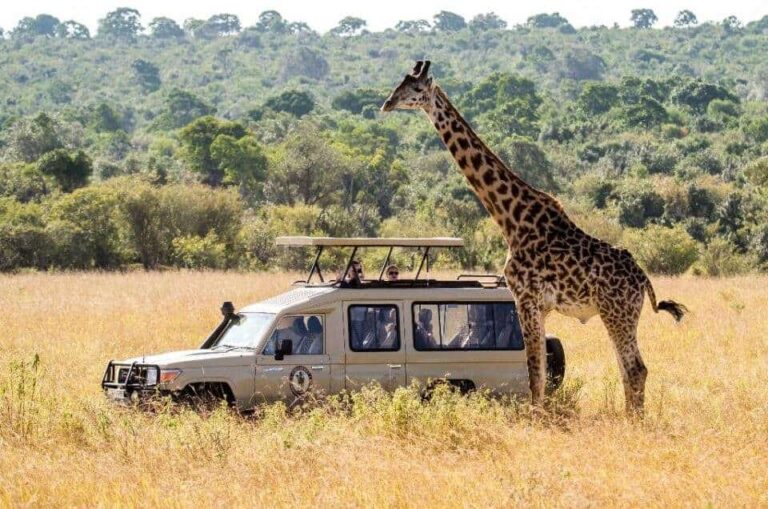
African safari trips for families offer one of the most memorable, educational, and bonding travel experiences in the world. These journeys immerse children and adults alike in the rich biodiversity, vibrant cultures, and breathtaking landscapes of the African continent. Whether tracking elephants across the savannah or listening to stories around a campfire, safaris create deep connections with nature and with each other.
Introduction to African Safari Trips for Families
Contrary to the misconception that safaris are only for couples or solo travelers, many lodges and tour operators now design child-friendly, multi-generational itineraries. These include family-focused lodges, kid-specific wildlife programs, and shorter, safer game drives suitable for all ages. With the right planning and operators, African safaris can be both thrilling and stress-free for families.
Why African Safaris Are Ideal for Family Travel
An African safari is more than just sightseeing—it’s a hands-on, educational adventure that stimulates curiosity and encourages a lifelong love for nature. Family safaris balance excitement and comfort through tailored experiences that ensure safety, flexibility, and fun.
Educational Value for Children
Safari trips expose kids to real-world conservation, wildlife biology, and cultural diversity. Through interactive ranger programs, bush walks, and storytelling sessions, children gain a deeper understanding of animals and ecosystems that no textbook could match.
Flexible Schedules and Safety Features
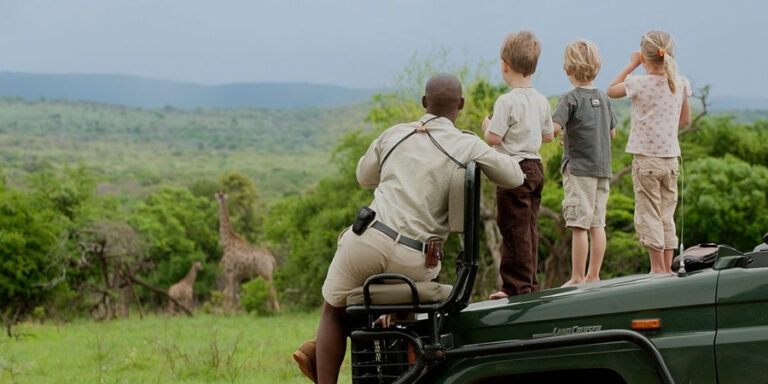
Operators that specialize in family safaris adjust game drives to fit children’s attention spans and sleep patterns. Properties often provide fenced camps, private vehicles, and age-appropriate activities. Many guides are trained in child safety and communication, enhancing peace of mind for parents.
Benefits of Using Technology in Family Safari Experiences
Technology has made family safari trips more comfortable, engaging, and secure. It enhances learning, streamlines logistics, and improves wildlife tracking in ways that directly benefit families traveling with kids.
Interactive Learning Tools and Wildlife Apps
Many safari lodges and guides now use digital tablets to teach children about animal behavior, footprints, and migration patterns. Some even offer augmented reality wildlife apps that make the educational aspect of safaris more immersive and entertaining for younger travelers.
Smart Communication and Safety Monitoring
Modern family-friendly lodges use radio networks, satellite phones, and mobile apps to maintain constant communication between vehicles, camps, and medical teams. GPS-enabled wristbands for children are also available at some lodges to ensure added security within campgrounds.
Personalized Itinerary Platforms
Luxury safari operators offer online dashboards where families can track their itinerary, view daily updates, and adjust excursions in real-time. These platforms help parents stay informed and keep the experience organized and stress-free.
Real-World Examples of Family-Friendly African Safari Trips
Singita Family Safaris – South Africa, Tanzania, Zimbabwe

Singita is a renowned luxury safari brand that excels at crafting family-friendly experiences without compromising on authenticity or comfort. Their “Mini Rangers Course” is a unique educational initiative that teaches kids about tracking, survival skills, and conservation through fun activities.
Family suites include connecting rooms, private plunge pools, and childminding services. Their guides are trained to handle young travelers, ensuring safety during game drives. Singita also engages in conservation projects, giving children a firsthand look at the importance of protecting wildlife.
Asilia Africa – Tanzania and Kenya
Asilia Africa offers family-centric lodges across East Africa. Their “family tents” feature multiple bedrooms, while their guides excel in adapting safari experiences for mixed-age groups. Many properties have dedicated kids’ activity corners, art stations, and wildlife-themed storytelling evenings.
Their Young Explorers program introduces kids to bushcraft skills like making plaster casts of animal tracks and identifying bird calls. The balance between fun and education makes Asilia an ideal choice for families new to African safaris.
Elewana Collection – Kenya and Tanzania
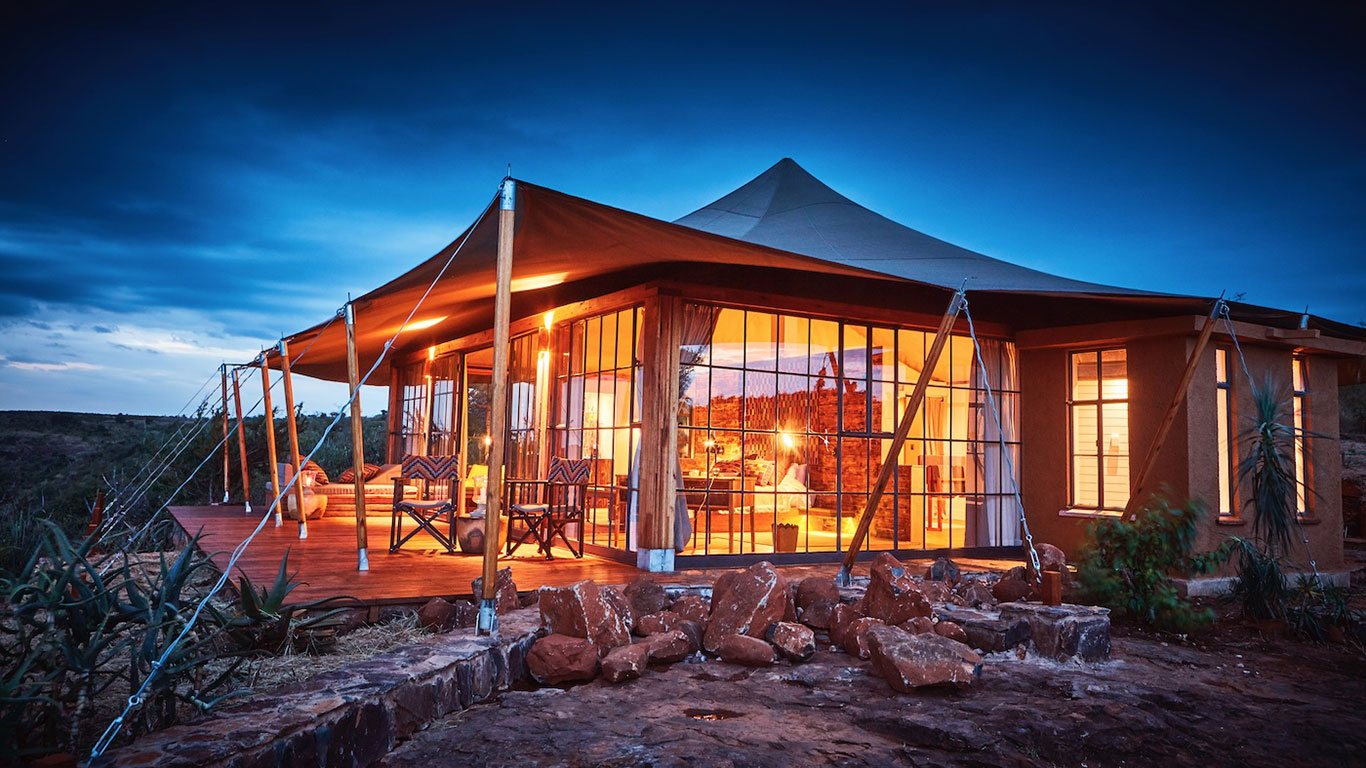
Elewana’s safari lodges offer hands-on cultural experiences for families. Kids can participate in cooking lessons with local women, learn how to make traditional beadwork, and hear folklore from village elders. Game drives are child-friendly and often timed around family meals and nap times.
Each lodge includes amenities tailored for children, such as early dinner options, board games, and nature scavenger hunts. The emphasis on cultural immersion enriches the safari experience beyond wildlife viewing.
&Beyond Family Safaris – South Africa, Namibia, Botswana
&Beyond is known for its strong conservation ethos and family-first programming. Their WILDChild program gives children adventure-filled backpacks with field guides, notebooks, and safari tools. Activities are designed to inspire empathy for wildlife and encourage critical thinking.
Family suites are available at most of their lodges, and guides make each drive interactive with quizzes, games, and storytelling. Their approach ensures that children remain engaged while learning valuable lessons about the natural world.
Use Cases: How Family Safaris Solve Real Travel Challenges
Providing Safe, Educational Entertainment During Travel
Many families struggle to find holidays that are both educational and exciting for children. Safari trips solve this by combining adventure with learning. Kids stay entertained by spotting animals, asking questions, and participating in ranger programs, reducing screen time and increasing engagement with the real world.
Enabling Meaningful Family Bonding
Unlike typical vacations that separate family members by age or activity, safaris bring everyone together. Shared experiences like watching a lioness hunt or having breakfast under an acacia tree create memories that last a lifetime. Family safaris promote teamwork, curiosity, and respect for nature across generations.
Simplifying Travel Logistics for Families
Planning family travel in foreign countries can be overwhelming. Safari operators manage all logistical elements—airport pickups, meal preferences, private guides, and flexible schedules. This ensures parents can focus on the experience rather than stress over arrangements.
Introducing Children to Global Cultures and Conservation
Many safaris incorporate village visits, school tours, and cultural performances. These elements foster global awareness and empathy in children. At the same time, involvement in conservation projects—like tree planting or visiting a wildlife clinic—helps them understand the role humans play in protecting the environment.
Practical Benefits of Choosing Family Safari Trips
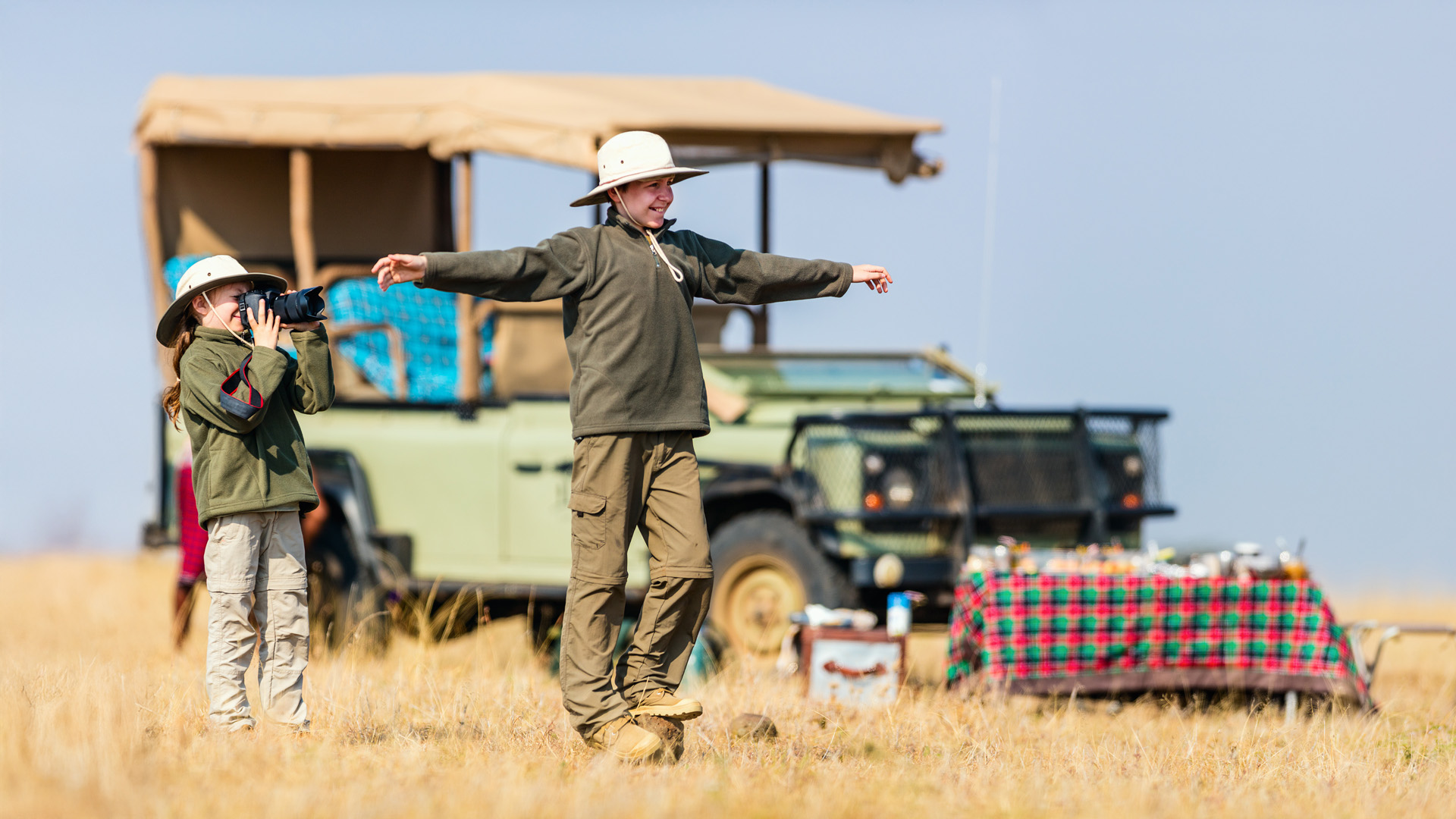
Age-Appropriate Activities and Flexibility
Family safaris cater to all ages with adaptable activities. Morning drives can be shorter, while afternoons may include arts and crafts or wildlife-themed treasure hunts. Lodges often adjust dining times and menus to suit younger palates.
Peace of Mind Through Safety and Medical Readiness
Many family-focused camps are fenced and located in malaria-free zones. Staff members are trained in first aid, and emergency protocols are in place. Parents can relax knowing that their children are in a secure, supervised environment.
Enriching Experiences That Extend Beyond Vacation
Family safaris inspire lifelong learning. Many children return home with a newfound passion for wildlife, conservation, and global cultures. This can influence their future studies, hobbies, and worldviews in meaningful ways.
Frequently Asked Questions (FAQ)
Q1. Is there a minimum age requirement for family safaris?
Yes, but it varies by lodge and activity. Many lodges welcome children from age 5 and up, while some private game reserves and exclusive lodges allow children as young as 2 with special arrangements. Certain activities, es as walking safely, may have minimum age restrictions for safety.
Q2. Are African safari trips safe for children?
Absolutely. Family-friendly safari lodges are well-secured, with trained staff, fenced camps, and medical provisions. Game drives are conducted by professional guides who follow strict safety protocols. Parents should always choose operators with experience in hosting families.
Q3. What is the best time of year to take a family safari in Africa?
The dry season (generally June to October) is considered the best for wildlife viewing. However, some destinations like Kenya and Tanzania offer great experiences year-round. Family-focused safaris often include seasonal discounts or exclusive programs during school holiday periods.