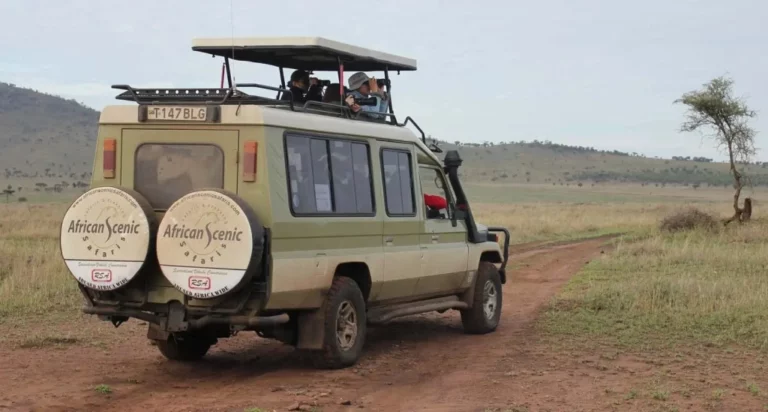
Ultimate Guide to African Safari Tour Operators: Insights, Benefits, and Real-World Use Cases
African safari tour operators are specialized travel companies that curate and manage safari experiences across the African continent. They are the crucial link between adventurous travelers and the vast wilderness of Africa’s national parks, game reserves, and private conservancies. These operators handle every logistical element—transportation, accommodation, guiding, safety measures, and conservation coordination.
Introduction to African Safari Tour Operators
A safari in Africa is not just a trip—it’s an immersive experience into the continent’s raw, untamed beauty. However, planning such a journey requires expert knowledge of wildlife patterns, seasonal migrations, terrain accessibility, and local customs. This is where trusted tour operators make a significant difference.
What Makes a Great African Safari Tour Operator?
Choosing a top-tier African safari tour operator can make or break your travel experience. These companies stand out based on their deep regional expertise, ethical travel practices, commitment to sustainability, and exceptional service delivery. Here are some key characteristics:
Deep Knowledge of Wildlife and Ecosystems
Reliable safari tour operators possess extensive knowledge of Africa’s diverse ecosystems—from the Okavango Delta in Botswana to the Maasai Mara in Kenya. They understand migration patterns, nesting seasons, and behavior of iconic wildlife like lions, elephants, and rhinos.
Trained Guides and Local Connections
The best safari experiences are led by certified guides who can track animals, interpret behavior, and ensure safety. Top operators also work closely with local communities, creating meaningful and respectful cultural exchanges.
Benefits of Using Technology in African Safari Tour Operations
Modern technology has significantly enhanced how safari tour operators deliver their services. It improves safety, enriches guest experience, and contributes to wildlife conservation.
GPS Tracking and Real-Time Wildlife Location
Using GPS-enabled vehicles and real-time wildlife tracking systems, operators can guide tourists to prime locations for viewing big game. This reduces wasted time and improves the odds of sighting rare animals.
Drones and High-Resolution Cameras
Some operators use drones and camera traps to monitor animal movements and behavior patterns discreetly. These tools assist guides in offering a more immersive storytelling experience during the safari.
Smart Booking and Customization Platforms
Advanced CRM and itinerary-building platforms allow travelers to create personalized safari plans. These platforms also facilitate transparent communication and smooth logistics management from start to finish.
Real-World Examples of Leading African Safari Tour Operators
1. Wilderness Safaris – Botswana, Namibia, Zimbabwe
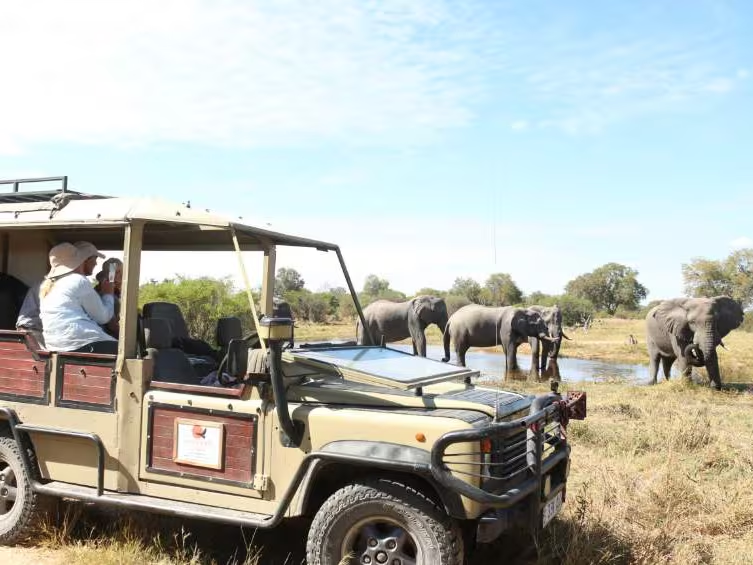
Wilderness Safaris is one of Africa’s most respected luxury eco-tourism companies. With over 40 camps and lodges, they operate in some of the most remote parts of southern Africa. Their commitment to conservation and community engagement sets a gold standard in sustainable tourism.
Each of their tours is led by experienced naturalists and conservationists, offering in-depth insights into fragile ecosystems. Wilderness Safaris is also renowned for rewilding efforts and anti-poaching initiatives, making every traveler a contributor to a larger cause.
2. AndBeyond – South and East Africa

AndBeyond delivers high-end safari experiences in 13 African countries. They offer tailor-made itineraries that blend game viewing, cultural experiences, and luxury accommodations.
What makes AndBeyond special is its impact-driven model. They work closely with local communities through education and employment, and they have reforestation projects in key safari zones. Their mobile app enhances communication and allows guests to track wildlife sightings live during the trip.
3. Intrepid Travel – Kenya, Tanzania, South Africa
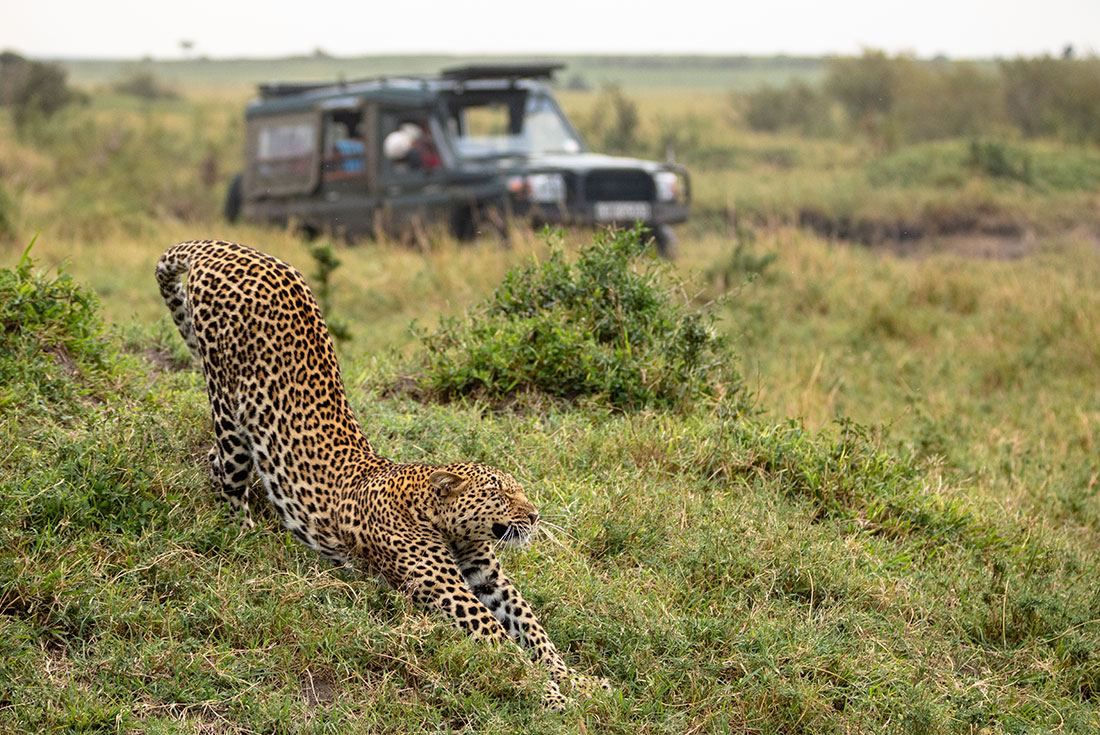
Known for small group travel and eco-conscious adventures, Intrepid Travel offers affordable safaris without compromising quality. Their tours typically include visits to local villages, giving guests a deeper understanding of regional cultures.
They focus on low-impact travel, and many of their safari tours are carbon-offset. Intrepid’s guides are trained to lead ethical wildlife viewing practices, ensuring minimal disturbance to animals.
4. Gamewatchers Safaris – Kenya
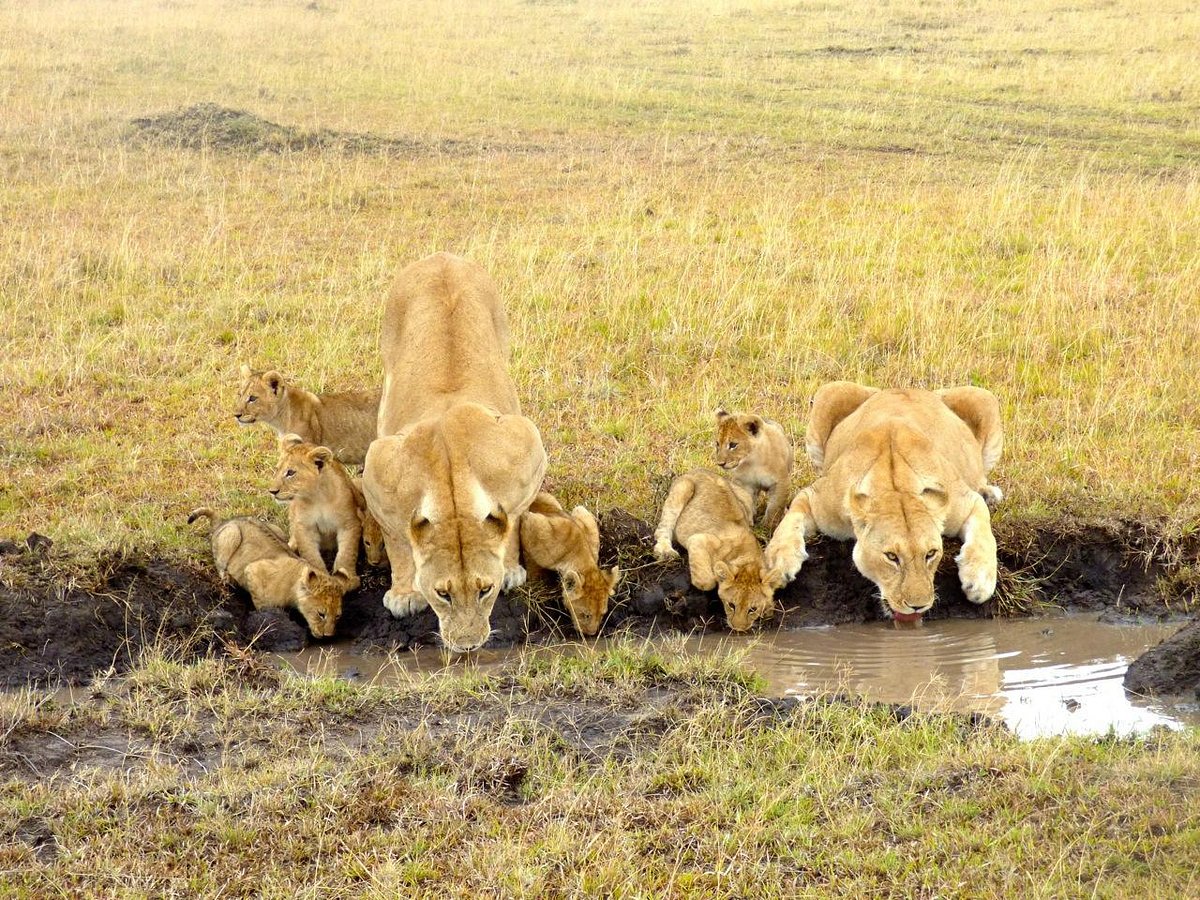
Specializing in conservancy-based tourism, Gamewatchers offers exclusive access to private reserves in Kenya. Their “Porini” camps provide authentic safari experiences with minimal ecological footprint.
Gamewatchers is recognized for its community-based conservation model, which generates income for locals while preserving critical wildlife corridors. Guests benefit from uncrowded safaris, more intimate wildlife encounters, and a stronger conservation impact.
5. African Bush Camps – Zimbabwe, Zambia, Botswana
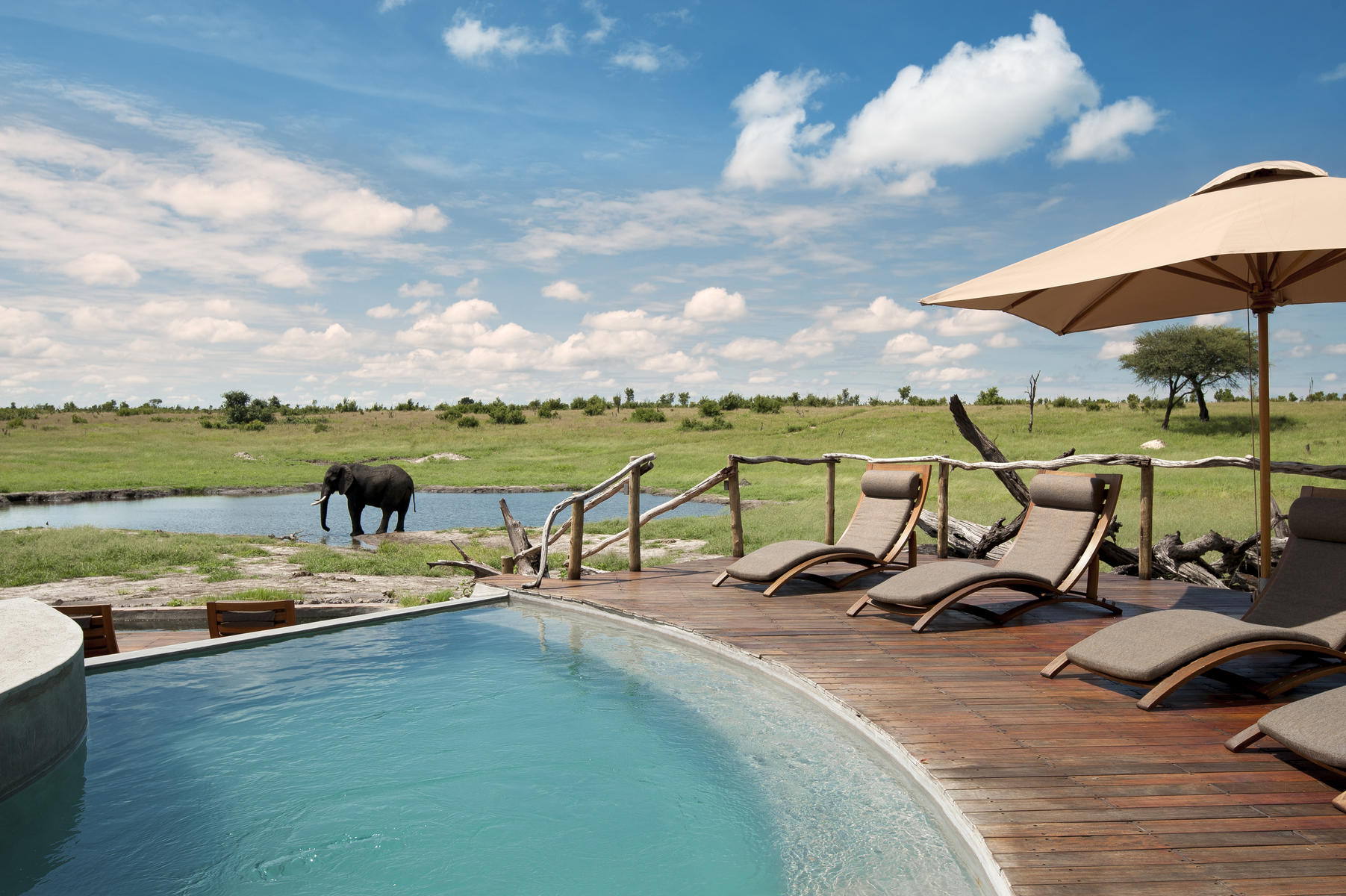
African Bush Camps combine raw wilderness with refined service. Founded by a professional safari guide, this operator emphasizes authentic experiences in untouched regions.
They run a foundation supporting local schools, women’s empowerment programs, and conservation training. Each camp features eco-friendly design and offers guided walks, canoe safaris, and traditional game drives.
Use Cases: How Safari Tour Operators Solve Real Travel Problems
Navigating the Logistics of Remote Destinations
Africa’s best wildlife experiences are often in remote, inaccessible areas. Safari tour operators handle transportation, border crossings, park permits, and more—saving travelers time and preventing logistical nightmares.
Enhancing Safety and Risk Management
From navigating predator zones to understanding local regulations, safari operators provide essential safety measures. Medical kits, satellite phones, and 24/7 communication with headquarters ensure travelers are well protected.
Providing Cultural and Educational Value
Top operators don’t just show animals—they tell stories, explain ecological roles, and introduce travelers to indigenous knowledge systems. This transforms a sightseeing trip into a transformative experience.
Contributing to Conservation and Responsible Travel
By working with ethical tour operators, travelers directly support anti-poaching units, habitat restoration, and wildlife research. Operators also reduce the ecological footprint of tourism by employing local staff and using solar-powered camps.
Practical Benefits of Choosing Professional Safari Operators
Curated Access to Exclusive Locations
Many of the best wildlife viewing opportunities occur in private conservancies or seasonal hotspots. Experienced operators can access these areas and time your visit to coincide with events like the Great Migration.
Seamless, Stress-Free Travel
Planning a safari independently involves a complex web of transport, permits, vaccinations, and regional know-how. Tour operators eliminate stress and maximize time spent enjoying nature.
Deeper, Personalized Wildlife Encounters
Because of smaller groups and expert guides, safari operators provide a much more immersive and personal wildlife experience than self-guided trips or mass-market tours.
Frequently Asked Questions (FAQ)
Q1. What is the difference between national park safaris and private conservancy safaris?
National parks are government-managed and open to the general public, often with more vehicles and less control over visitor density. Private conservancies, on the other hand, are managed by safari operators or communities and offer more intimate, low-impact experiences, including activities like walking safaris and night drives.
Q2. Are safari tour operators safe for solo travelers or families with children?
Yes, most reputable operators cater to a variety of travelers, including solo adventurers, couples, and families. They provide expert guides, clear itineraries, and safety protocols tailored to each group’s needs. Some even offer child-friendly safaris with special programs.
Q3. How do safari tour operators contribute to wildlife conservation?
Top operators reinvest a portion of their profits into anti-poaching initiatives, research programs, and habitat preservation. Many also partner with local communities to ensure that tourism revenues directly support conservation and economic development efforts.